When it comes to growing a thriving vegetable garden, compost for vegetable garden beds is the single most impactful amendment you can add. Whether you’re a seasoned gardener or just starting out, the right compost can transform poor soil into a nutrient-rich foundation that feeds your plants all season long. We’ve tested and researched the top options available today to bring you this curated list of the best compost products that will help you grow healthier tomatoes, peppers, squash, and more. From premium bagged blends to DIY composting solutions, there’s something here for every gardener’s needs and budget.
Quick Product Comparison
Our Top 5 Compost For Vegetable Garden Reviews – Expert Tested & Recommended
1. Coast of Maine Cobscook Blend In-Ground Garden Soil with Compost & Peat Moss for Flower Beds & Lawn Care (1 cu ft)
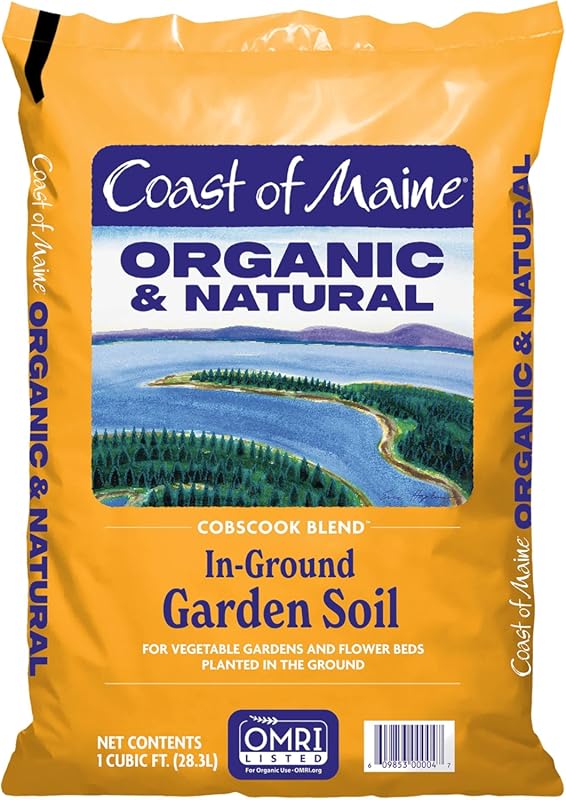
If you’re looking for a premium bagged compost that delivers consistent results, the Coast of Maine Cobscook Blend is hard to beat. This rich, dark blend combines sphagnum peat moss, compost, and aged bark to create a growing medium that vegetables absolutely love. It’s particularly well-suited for improving heavy clay or sandy soils that need a boost in both structure and nutrients.
Key Features That Stand Out
✓ Premium blend of sphagnum peat moss, compost, and aged bark
✓ Excellent water retention while maintaining proper drainage and aeration
✓ Versatile enough for in-ground beds, raised beds, and top-dressing established gardens
✓ Helps suppress weeds when used as a top dressing on existing beds
✓ Made with high-quality, carefully sourced natural ingredients
Why We Recommend It
This product stands out because of its carefully balanced formulation. The combination of peat moss and compost gives you the best of both worlds: moisture retention and nutrient density. Many gardeners notice a visible difference in plant vigor within just a few weeks of mixing it into their beds. It’s a reliable, consistent product that performs season after season.
Best For
Gardeners who want a ready-to-use, premium bagged compost for improving in-ground or raised vegetable beds. It’s especially great if you’re dealing with poor native soil that needs significant amendment before planting.
Pros and Cons
Pros:
- Rich, high-quality blend with excellent texture and consistency
- Noticeably improves soil structure and water-holding capacity
- Versatile for multiple garden applications from amending to top-dressing
- Trusted brand with a long reputation for quality garden products
Cons:
- Higher price point compared to some competing products
- The 1-cubic-foot bag covers a limited area, so larger gardens will need multiple bags
Customer Reviews
“Customer Review: I’ve been using Coast of Maine products for years and the Cobscook Blend is by far my favorite. My clay soil was impossible to work with before I started amending it with this. Now my tomatoes and peppers are the envy of the neighborhood. Worth every penny.”
“Customer Review: This soil blend is dark, rich, and smells like a forest floor — exactly what good compost should smell like. I mixed it into my raised beds last spring and had the best harvest ever. The bags are a bit small for the price, but the quality makes up for it.”
2. 100x Concentrated Compost Accelerator for Kitchen Bins, Odor-Free & Fast-Acting Microbial Formula
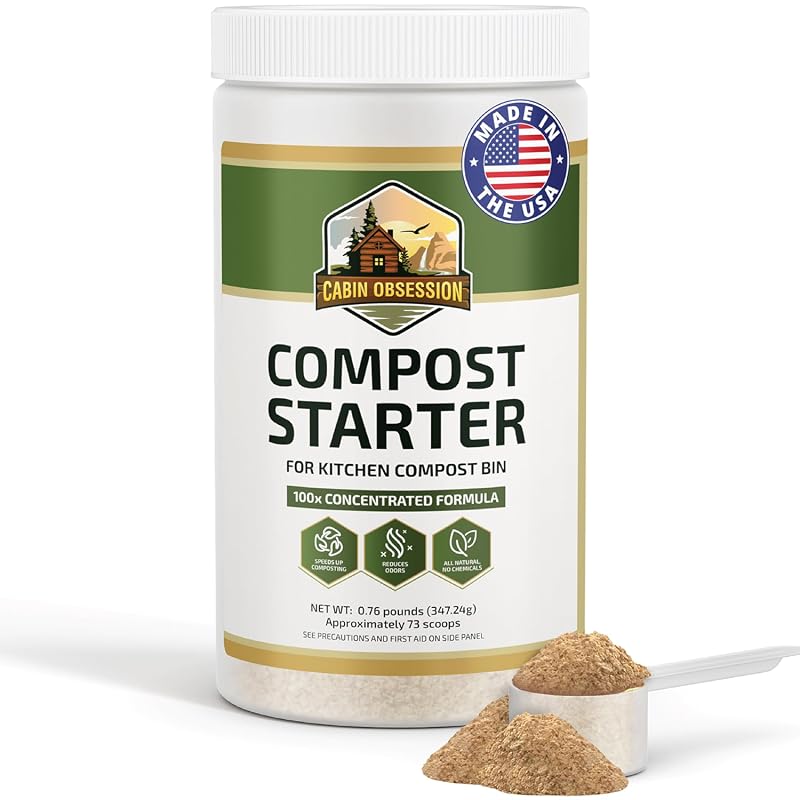
For gardeners who want to make their own compost at home, this concentrated compost accelerator is a game-changer. It’s designed to speed up the decomposition process in your kitchen compost bin, turning food scraps into usable compost up to 50% faster. The best part? It neutralizes odors so your indoor composting setup stays fresh and pleasant.
Key Features That Stand Out
✓ 100x concentrated formula means a little goes a very long way
✓ Accelerates composting process by up to 50% for faster results
✓ Odor-neutralizing enzymes keep kitchen bins smelling fresh
✓ Made with 100% natural, bio-organic ingredients
✓ Works with any kitchen compost bin or outdoor compost pile
Why We Recommend It
Making your own compost is one of the most sustainable things you can do for your garden, but the process can be painfully slow. This accelerator solves that problem beautifully. Just sprinkle a small amount into your bin and the beneficial microbes get to work breaking down organic matter quickly. It’s an affordable way to produce free, high-quality compost for your vegetable garden all year long.
Best For
Home composters who want to speed up their composting process and reduce odors, especially those using kitchen countertop bins. Perfect for anyone looking to create their own compost for vegetable garden beds on a budget.
Pros and Cons
Pros:
- Dramatically speeds up decomposition time
- Effectively eliminates unpleasant compost odors
- Highly concentrated formula provides excellent value
- Natural and eco-friendly ingredients safe for organic gardens
Cons:
- Requires consistent use for best results
- Not a standalone compost product — you still need organic waste to compost
Customer Reviews
“Customer Review: I was skeptical that a compost accelerator would actually work, but this stuff is incredible. I went from waiting months for compost to having usable material in weeks. And the smell — or lack of it — is amazing. My wife no longer complains about the compost bin on the counter!”
“Customer Review: Great product for anyone with a small kitchen compost setup. I use it in my Bokashi bin and the results are noticeably faster. The bottle lasts forever since you only need a tiny amount each time. Highly recommend for urban gardeners.”
3. SUNGRO HORTICULTURE 1.0 CFL P Garden Compost Soil Mix, 1 Cubic Feet
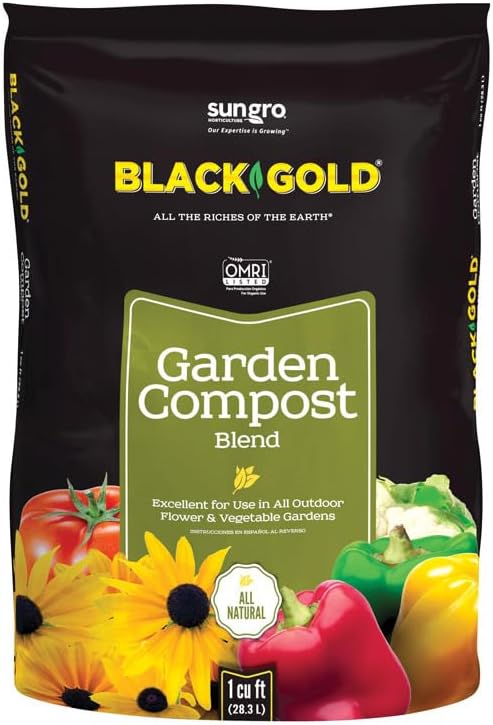
If you’re watching your budget but still want quality compost for your vegetable garden, SUNGRO Horticulture’s soil mix delivers impressive results without breaking the bank. This organic blend combines Canadian sphagnum peat moss, forest humus, and aged compost to create a rich growing medium that supports healthy vegetable growth throughout the season.
Key Features That Stand Out
✓ Organic blend of Canadian sphagnum peat moss, forest humus, and aged compost
✓ Improves soil structure for better root development and water retention
✓ Boosts vegetable yields and supports more abundant harvests
✓ Ideal for raised beds, in-ground gardens, and container plantings
✓ Excellent value compared to premium-priced competitors
Why We Recommend It
Not every gardener needs to spend top dollar on compost, and SUNGRO proves that affordable options can still deliver real results. The blend provides a solid foundation of organic matter and nutrients that vegetables need to thrive. It’s particularly good for raised bed gardens where you’re filling large volumes and need a cost-effective solution that doesn’t sacrifice quality.
Best For
Budget-conscious gardeners who need a reliable, affordable compost mix for filling raised beds or amending larger garden areas. Also a great choice for gardeners just starting out who want to experiment without a big investment.
Pros and Cons
Pros:
- Excellent price-to-quality ratio for budget-minded gardeners
- Good organic blend with peat moss, forest humus, and aged compost
- Works well in raised beds and container gardens
- Helps improve soil structure and water retention effectively
Cons:
- May not be as nutrient-dense as premium options like Coast of Maine
- Texture can vary slightly from bag to bag
Customer Reviews
“Customer Review: For the price, you really can’t beat this. I filled three raised beds with SUNGRO and my vegetables grew just as well as when I used the expensive stuff. It’s a great everyday compost that gets the job done without emptying your wallet.”
“Customer Review: I’ve been using this for two seasons now and it’s been consistently good. The peat moss content helps with water retention, which is a lifesaver during hot summers. Not the fanciest compost out there, but it’s reliable and affordable.”
4. Espoma Organic Cow Manure & Aged Forest Products for Planting Vegetables, Flowers, Trees & Shrubs
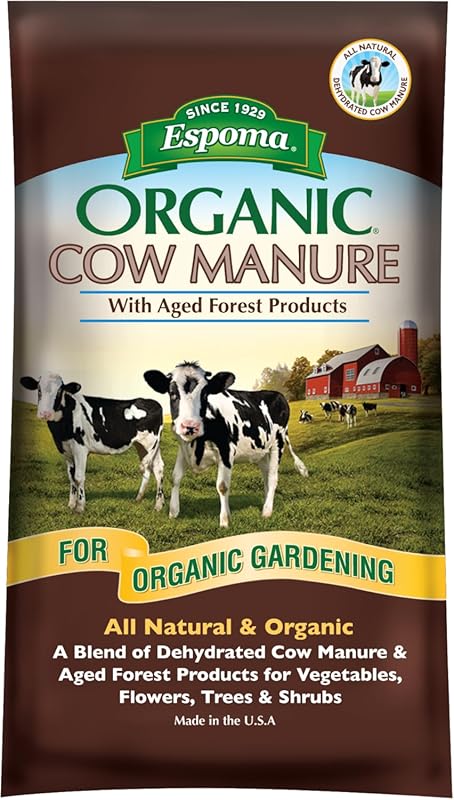
Espoma has been a trusted name in organic gardening for generations, and their Organic Cow Manure blend is a testament to that reputation. This all-natural product combines dehydrated cow manure with aged forest products to create a gentle, effective compost that improves poor soil conditions and promotes vigorous plant growth across your entire garden.
Key Features That Stand Out
✓ All-natural organic blend of dehydrated cow manure and aged forest products
✓ Provides all three major plant nutrients (N-P-K analysis of 0.5-0.5-0.5)
✓ Safe for use on vegetables, flowers, trees, and shrubs
✓ Helps improve poor soil conditions and supports better plant growth
✓ Gentle enough for direct contact with plant roots without burning
Why We Recommend It
What makes this product special is its versatility and gentleness. Unlike some composts that can be too “hot” for young plants, Espoma’s cow manure blend is aged and processed to be safe for direct root contact. It’s an excellent all-purpose amendment that works equally well in vegetable beds, flower gardens, and around trees and shrubs. The balanced nutrient profile provides steady, slow-release feeding throughout the growing season.
Best For
Gardeners who want a versatile, all-purpose organic compost that can be used throughout the entire garden — from vegetable beds to flower borders to newly planted trees and shrubs.
Pros and Cons
Pros:
- Trusted brand with decades of organic gardening expertise
- Gentle formula safe for direct root contact and young plants
- Versatile enough for use across the entire garden
- Provides balanced, slow-release nutrition for steady growth
Cons:
- Lower NPK numbers mean it’s not as nutrient-dense as some synthetic options
- May need supplemental feeding for heavy-feeding vegetables like corn and squash
Customer Reviews
“Customer Review: I’ve been using Espoma cow manure for years and it never disappoints. It’s gentle enough that I can use it right at planting time without worrying about burning my seedlings. My soil has gotten better and better each season since I started using it.”
“Customer Review: This is my go-to compost for everything in the garden. I mix it into my vegetable beds in spring and top-dress my flowers in summer. The results are always consistent. It’s not the flashiest product, but it’s reliable and my plants love it.”
5. Underground Worm Farm Mini Vermicomposting Bin for Outdoor Gardening from Kitchen Waste, White
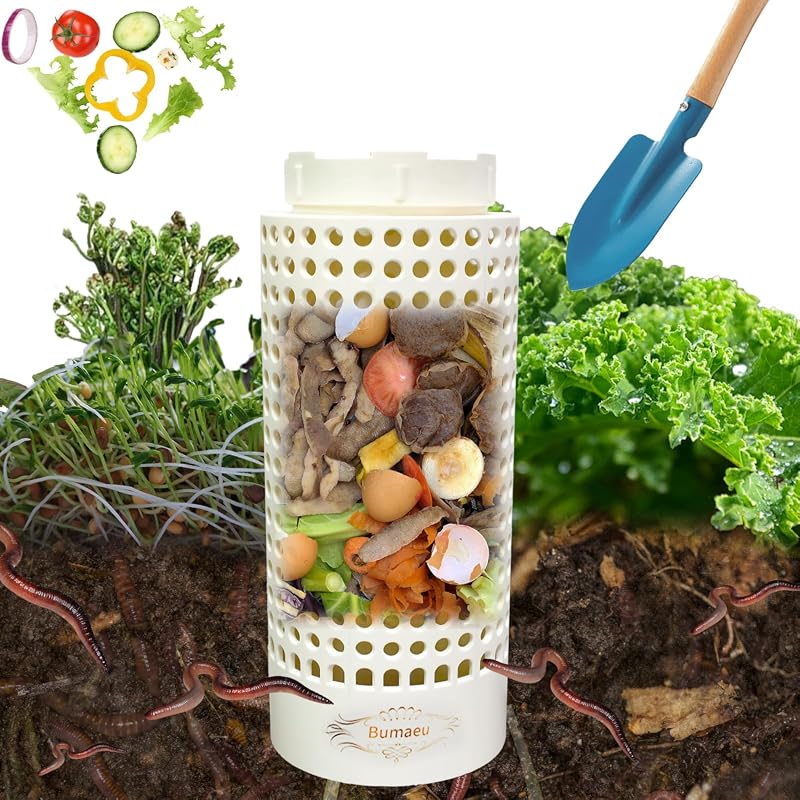
For the ultimate DIY approach to composting, this underground worm farm bin lets you create your own nutrient-rich vermicompost right in your garden bed. Simply bury it in the ground, add your kitchen scraps, and let the worms do the work. It’s a year-round composting system that produces some of the richest compost you’ll ever use on your vegetables.
Key Features That Stand Out
✓ Bury directly in the garden for convenient, on-site composting
✓ Breathable valve lid with 360-degree inlets for optimal airflow and heat dissipation
✓ Converts kitchen waste into nutrient-rich worm castings continuously
✓ Simple installation — just dig a hole, bury it, add waste, and let nature work
✓ Environmentally friendly solution that reduces household waste
Why We Recommend It
This is a brilliant solution for gardeners who want to close the loop on kitchen waste. Instead of buying bagged compost, you can produce your own premium vermicompost right where you need it. Worm castings are widely considered the gold standard of organic fertilizer — they’re packed with beneficial microbes and plant-available nutrients. The underground design keeps pests away and maintains consistent moisture and temperature for the worms.
Best For
Eco-conscious gardeners who want to produce their own compost from kitchen waste. It’s also ideal for those with limited outdoor space who can’t accommodate a traditional compost bin. If you’re serious about sustainable gardening, this is a must-have addition to your toolkit.
Pros and Cons
Pros:
- Produces premium worm castings — the highest quality natural fertilizer
- Reduces household waste while feeding your garden simultaneously
- Underground design is discreet and pest-resistant
- Low maintenance once installed — the worms do all the work
Cons:
- Requires an initial investment of composting worms (not included)
- Works best in moderate climates — extreme cold or heat can affect worm activity
- Slower to produce results compared to buying ready-made compost
Customer Reviews
“Customer Review: This worm farm is genius. I buried it in my raised bed last fall and by spring I had the richest, darkest compost I’ve ever seen. My tomato plants went absolutely crazy this year. The installation took five minutes and the worms have been working nonstop ever since.”
“Customer Review: I love the concept of this product. It’s so simple — bury it, feed it, forget it. My only complaint is that it doesn’t come with worms, so you need to order those separately. But once you get it set up, it’s amazing how much kitchen waste it processes. Great for the environment and my garden.”
Complete Buying Guide for Compost For Vegetable Garden
Essential Factors We Consider
When choosing the right compost for vegetable garden use, several key factors come into play. First, consider the source and quality of ingredients. Look for products made from natural, organic materials like peat moss, aged manure, forest humus, and plant-based compost. Avoid products with synthetic additives or unclear ingredient lists. Second, think about nutrient content. Vegetable gardens are hungry, and your compost should provide a good balance of nitrogen, phosphorus, and potassium along with essential micronutrients. Third, evaluate the texture and consistency of the compost. It should be crumbly, dark, and earthy-smelling — not slimy, chunky, or foul-smelling. Finally, consider the intended use: are you amending existing soil, filling raised beds, or top-dressing established plants? Different products are optimized for different applications.
It’s also worth thinking about how compost works alongside other soil amendments. For instance, many gardeners pair compost with mulch for vegetable garden beds to retain moisture and suppress weeds on top while compost enriches the soil below. This combination approach can dramatically improve your garden’s overall health and productivity.
Budget Planning
Compost prices vary widely, and understanding your budget helps narrow down your options. Bagged compost like Coast of Maine or Espoma typically costs between $8-15 per cubic foot and is perfect for small to medium gardens. Bulk compost from local suppliers can be significantly cheaper for larger gardens — often $25-40 per cubic yard delivered. DIY composting options like the worm farm bin require a small upfront investment but pay for themselves over time by turning kitchen waste into free, premium compost. A good rule of thumb is to budget for about 1-2 inches of compost per vegetable bed per season. For a standard 4×8-foot raised bed, that means roughly 2-4 cubic feet of compost annually. If you’re building new beds from scratch, you’ll need more — aim for a mix of about 1/3 compost, 1/3 peat moss or coconut coir, and 1/3 vermiculite or perlite for the ideal growing medium.
Final Thoughts
Choosing the right compost for your vegetable garden doesn’t have to be complicated. Whether you opt for a premium bagged blend like our top pick from Coast of Maine, a budget-friendly option from SUNGRO, or a sustainable DIY solution like the worm farm bin, the key is to start amending your soil with quality organic matter. Your vegetables will reward you with healthier growth, better yields, and more flavorful harvests. Remember that building great soil is an ongoing process — each season you add compost, your garden gets better and better. And if you’re looking to maximize your results, consider combining compost with quality mulch for your vegetable garden to create the ultimate growing environment.
Frequently Asked Questions
Q: How much compost do I need for my vegetable garden?
A: For established beds, apply a 1-2 inch layer of compost each season and work it into the top 6 inches of soil. For new beds or poor soil, mix in 2-4 inches of compost. A general guideline is about 1 cubic foot of compost per 4 square feet of garden space for a 1-inch application.
Q: Can I use too much compost in my vegetable garden?
A: While compost is beneficial, over-application can cause issues. Excessive compost can lead to nutrient imbalances, particularly too much phosphorus, and may cause water retention problems in heavy soils. Stick to recommended application rates and have your soil tested periodically to monitor nutrient levels.
Q: What’s the difference between compost and garden soil?
A: Compost is decomposed organic matter that serves as a soil amendment to improve structure and add nutrients. Garden soil is a blend that typically contains compost along with other ingredients like peat moss, topsoil, and sometimes sand. Compost feeds the soil, while garden soil provides the growing medium itself.
Q: How often should I add compost to my vegetable garden?
A: Most gardeners benefit from adding compost at least twice per year — once in early spring before planting and again in the fall after harvest. Some also add a light top-dressing mid-season for heavy-feeding crops like tomatoes and squash.
Q: Is bagged compost as good as homemade compost?
A: Both can be excellent sources of organic matter for your garden. Homemade compost allows you to control the ingredients and is free, but it takes time and effort. Bagged compost offers convenience, consistent quality, and is ready to use immediately. Many experienced gardeners use a combination of both.
Investing in quality compost for vegetable garden beds is one of the smartest decisions you can make as a gardener. From the premium Coast of Maine Cobscook Blend to the budget-friendly SUNGRO mix, and from the innovative worm farm bin to the trusted Espoma cow manure, there’s a perfect option for every garden and every budget. The key takeaway is that no matter which product you choose, consistently adding organic compost to your soil will pay dividends in healthier plants, bigger harvests, and a more resilient garden ecosystem. Start with one of our top picks today, and watch your vegetable garden transform season after season. Your plants — and your taste buds — will thank you!