Welcome, fellow green thumbs! If you’re passionate about nurturing your harvest, you know that a thriving vegetable garden starts with healthy soil and smart protection. That’s where mulch for vegetable garden comes in. Applying the right kind of mulch can transform your garden, helping to suppress weeds, retain crucial soil moisture, regulate temperature, and even add valuable nutrients as it breaks down. It’s a simple yet incredibly effective strategy for boosting your yields and reducing maintenance. Whether you’re a seasoned gardener or just starting your journey, finding the perfect garden mulch can make all the difference. We’ve dug deep to unearth the best options to keep your veggies happy and your efforts fruitful!
Quick Product Comparison
Our Top 5 Mulch For Vegetable Garden Reviews – Expert Tested & Recommended
1. Back to the Roots 58 Quart Organic Expanding Coconut Husk Mulch Block for Gardening
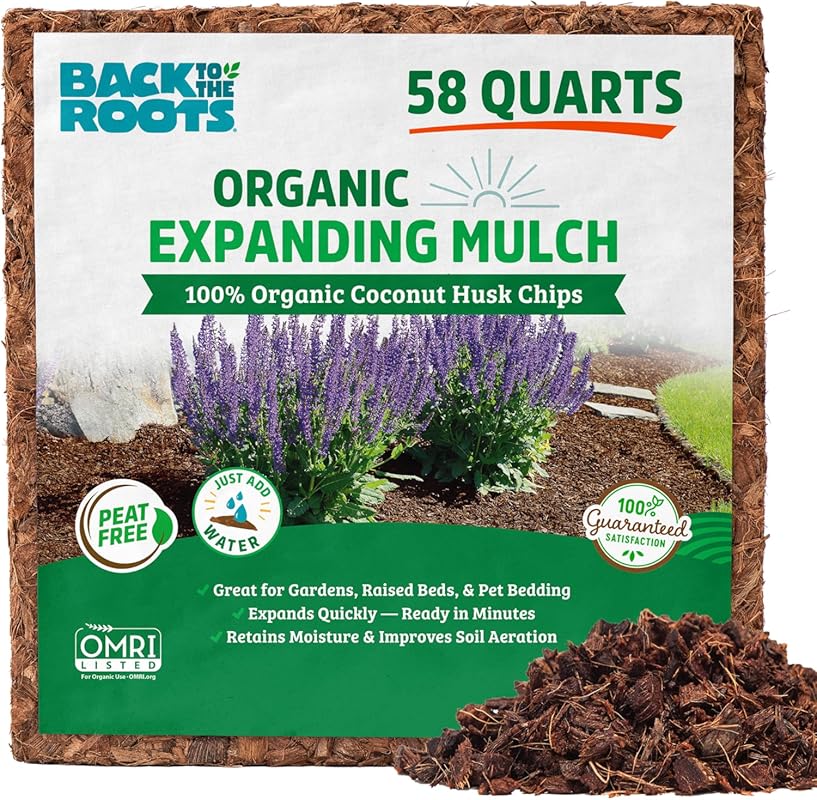
This organic coconut husk mulch from Back to the Roots is a fantastic choice for any gardener looking for a sustainable and effective solution. It comes in a compact 10lb block that magically expands to over 2 cubic feet when watered, making it incredibly easy to store and transport. As an OMRI Listed product, you can trust that it meets organic production standards, perfect for your precious vegetable garden.
Key Features That Stand Out
- ✓ Expands significantly from a compact block, offering great coverage.
- ✓ OMRI Listed, ensuring it’s suitable for organic gardening practices.
- ✓ Excellent for gardens, raised beds, and even potted plants.
- ✓ Peat-free composition, making it an environmentally friendly choice.
Why We Recommend It
We absolutely recommend this coconut husk mulch for its sustainability and efficiency. It’s an excellent soil amendment and top layer for moisture retention and weed suppression. The expanding nature means you get a lot of product from a small package, which is great for both storage and cost-effectiveness when mulching your vegetable garden.
Best For
This mulch is best for organic gardeners and those with raised beds or container gardens who want a clean, long-lasting, and highly effective mulch for vegetable garden applications.
Pros and Cons
Pros:
- Highly absorbent, excellent for moisture retention.
- Sustainable and peat-free option.
- Easy to store and expands considerably.
- Provides good weed suppression and soil aeration.
Cons:
- Can be slightly more expensive upfront than other types of mulch.
- May require initial soaking before full application.
Customer Reviews
Customer Review: “I was amazed at how much this block expanded! It covered my entire raised bed beautifully, and my tomato plants have never looked healthier. Plus, fewer weeds for me to pull!” – Sarah K.
Customer Review: “Finally found an organic mulch that works and is easy to handle. My herbs and veggies are loving the consistent moisture, and I feel good about using a peat-free product.” – Mark L.
2. PJT Organic Biodegradable Garden Straw Mulch, 0.5 cu ft, Cleaned & Weed-Free for Vegetable Gardens
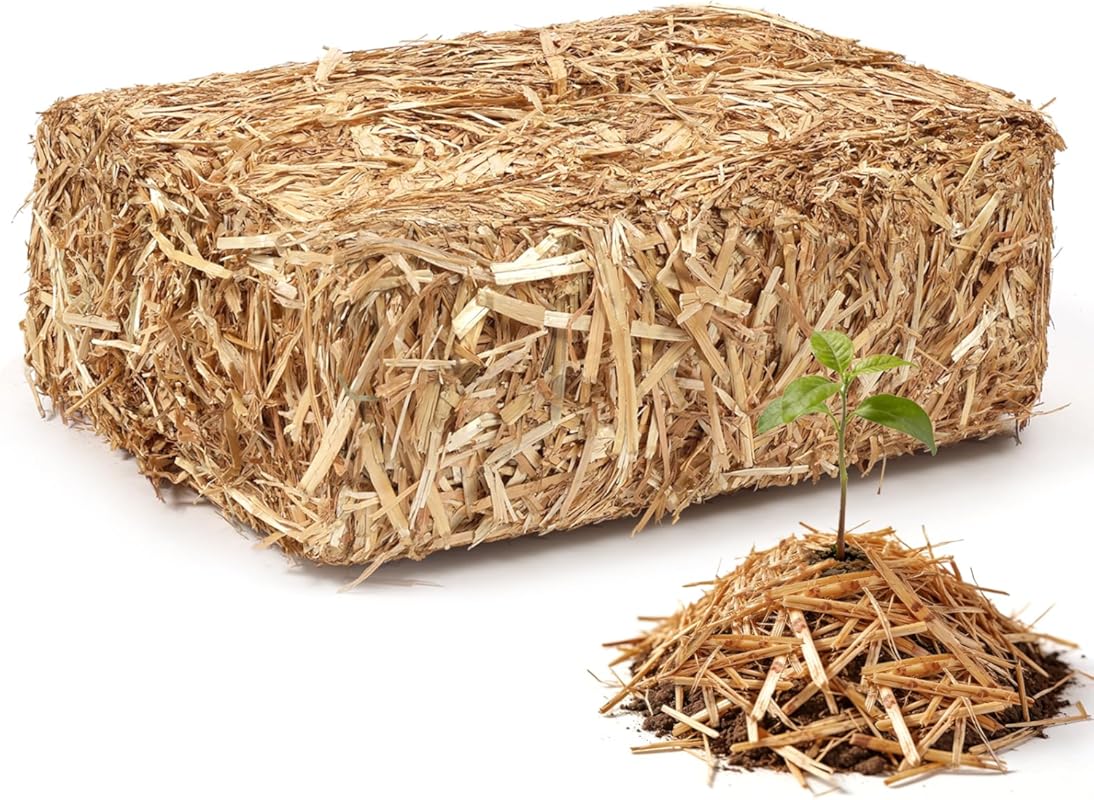
For those who love the traditional look and benefits of straw, the PJT Organic Biodegradable Garden Straw Mulch is a top-notch option for your vegetable garden. This 0.5 cu ft bag is packed with all-natural wheat straw that’s been carefully cleaned and made weed-free, so you don’t introduce any unwanted surprises to your plot. It’s designed to protect your soil and seeds across all seasons, providing an excellent, stable protective layer.
Key Features That Stand Out
- ✓ 100% all-natural wheat straw, gentle and effective for plants.
- ✓ Cleaned and seed-free to prevent unwanted sprouting grains or weeds.
- ✓ Forms a stable protective layer when watered, holding soil and seeds.
- ✓ Biodegradable and enriches soil as it breaks down.
Why We Recommend It
This straw mulch is a fantastic choice for preventing weeds and maintaining consistent soil temperature and moisture. Its clean, weed-free nature means less work for you in the long run, and its biodegradable properties improve your soil structure over time, making it ideal mulch for vegetable garden care.
Best For
This PJT straw mulch is perfect for gardeners starting seeds, protecting young plants, or those who prefer a natural, biodegradable garden mulch for general weed control and moisture retention.
Pros and Cons
Pros:
- Effectively suppresses weeds and conserves water.
- All-natural and completely biodegradable.
- Cleaned and guaranteed weed and seed-free.
- Easy to spread and provides good insulation.
Cons:
- Lightweight, so it might be prone to blowing away before settling if not watered in.
- Smaller quantity may not cover large areas extensively.
Customer Reviews
Customer Review: “This straw mulch is a lifesaver! I used it in my raised beds, and it definitely kept the weeds down and my soil moist. No strange seeds sprouted, which is a huge plus.” – David H.
Customer Review: “Easy to spread and looks great. My new seedlings are thriving under this protective layer. I appreciate that it’s organic and weed-free.” – Jessica P.
3. PJT Organic Biodegradable Garden Straw Mulch, 1 cu ft, Cleaned & Weed-Free for Vegetable Gardens
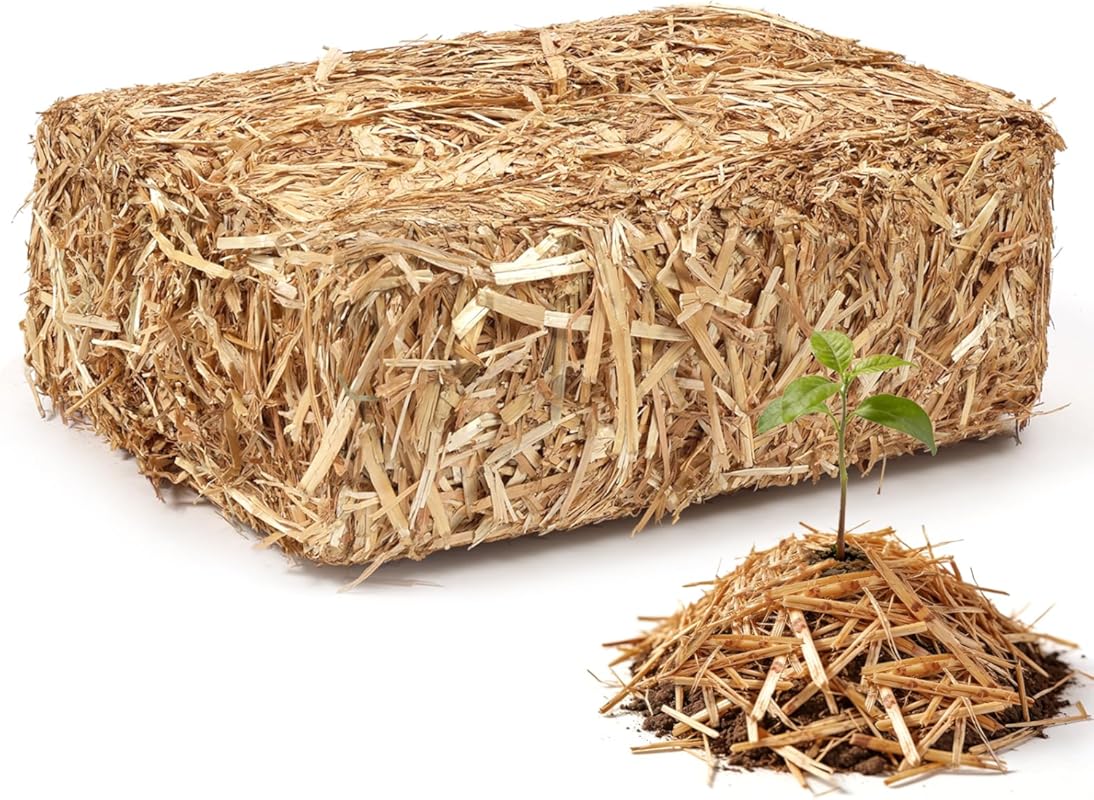
If you’re looking for a larger quantity of excellent straw mulch without breaking the bank, the 1 cu ft PJT Organic Biodegradable Garden Straw Mulch is your go-to. Like its smaller counterpart, this garden mulch is made from 100% natural wheat straw, meticulously cleaned and guaranteed weed-free. It’s designed to be the ultimate garden protector, shielding your soil and seeds while offering crucial moisture retention and temperature regulation for your vegetable garden.
Key Features That Stand Out
- ✓ Larger 1 cu ft volume provides more coverage for bigger gardens.
- ✓ All-natural wheat straw, processed to be seed and weed-free.
- ✓ Forms a stable, protective layer that helps hold soil and seeds in place.
- ✓ Blocks sunlight to naturally suppress weed growth without chemicals.
Why We Recommend It
This larger bag of PJT straw mulch offers exceptional value, providing ample coverage for your vegetable garden needs while maintaining the high quality of being weed and seed-free. It’s an effective, eco-friendly, and economical solution for anyone serious about organic gardening and reducing weeding time.
Best For
This mulch for vegetable garden is best for medium to large vegetable gardens, new plantings, or anyone needing to cover more ground with a reliable, organic, and budget-friendly straw mulch.
Pros and Cons
Pros:
- Great value for the quantity, covering larger areas.
- Guaranteed seed and weed-free, saving effort later.
- Excellent for soil protection, moisture retention, and temperature regulation.
- Biodegradable, enriching soil organic matter.
Cons:
- Can be a bit dusty when first applied.
- May need to be secured in very windy conditions until settled.
Customer Reviews
Customer Review: “I used two bags of this for my expansive tomato patch, and it worked wonderfully! My plants are thriving, and the weeds are practically non-existent. Great price for the volume.” – Emily R.
Customer Review: “Fantastic organic straw. It was clean and easy to spread, and the soil beneath stayed perfectly moist. My carrots and lettuce came up strong.” – Robert F.
4. HealthiStraw 2 cu ft All-Natural Sustainable Wheat Garden Straw Mulch for Seeding & Gardens
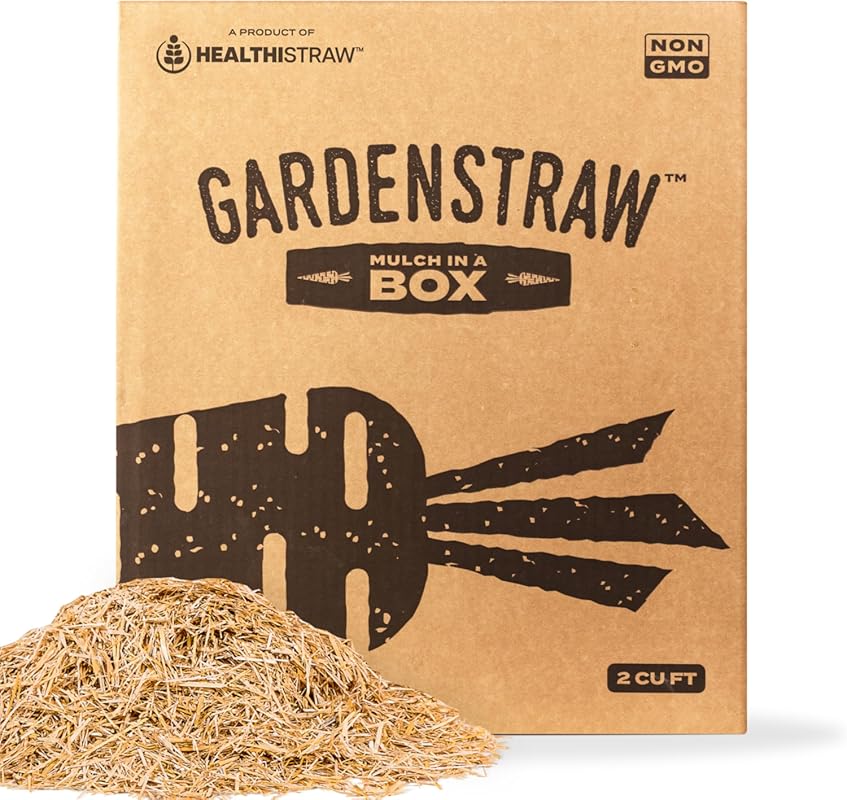
The HealthiStraw 2 cu ft All-Natural Sustainable Wheat Garden Straw Mulch is another fantastic choice for enhancing your vegetable garden. This mulch is sustainably sourced from 100% non-GMO wheat straw and undergoes a natural filtering process to remove dust, dirt, and as many seeds as possible. It’s specifically designed for various garden applications, from seeding new lawns to mulching your cherished vegetable beds, offering expansive coverage.
Key Features That Stand Out
- ✓ Sustainably sourced 100% non-GMO wheat straw for an eco-conscious choice.
- ✓ Naturally filtered to minimize dust, dirt, and unwanted seeds.
- ✓ Specially cut fibers interlock when watered, resisting wind and rain.
- ✓ Versatile for vegetable, herb, flower, fruit gardens, raised beds, and lawn repair.
Why We Recommend It
We recommend HealthiStraw for its commitment to sustainability and its effective performance. The unique interlocking fibers provide superior stability, making it an excellent choice for areas prone to wind or heavy rain. It’s a reliable mulch for vegetable garden care, keeping moisture in and weeds out while enriching your soil as it decomposes.
Best For
This straw mulch is ideal for gardeners who need a stable, long-lasting, and sustainably sourced garden mulch that holds up well against environmental elements, especially for larger areas or seeding projects in their vegetable garden.
Pros and Cons
Pros:
- Excellent wind and rain resistance due to interlocking fibers.
- Sustainably sourced and non-GMO.
- Generous 2 cu ft provides ample coverage.
- Compost-friendly, adding organic matter to soil.
Cons:
- May initially have a slight straw odor.
- Requires watering after application to fully interlock.
Customer Reviews
Customer Review: “This HealthiStraw is fantastic! I used it to protect my newly planted greens, and it stayed put even after some windy days. My soil retains moisture so much better now.” – Gary S.
Customer Review: “Love that it’s non-GMO and sustainable. It covered my entire potato patch, and I’ve seen a noticeable reduction in weeds. Very happy with this purchase.” – Olivia M.
5. 100% Natural Cedar Chips Mulch, 4 Quarts, for Gardens, Dog Bedding & Potted Plants
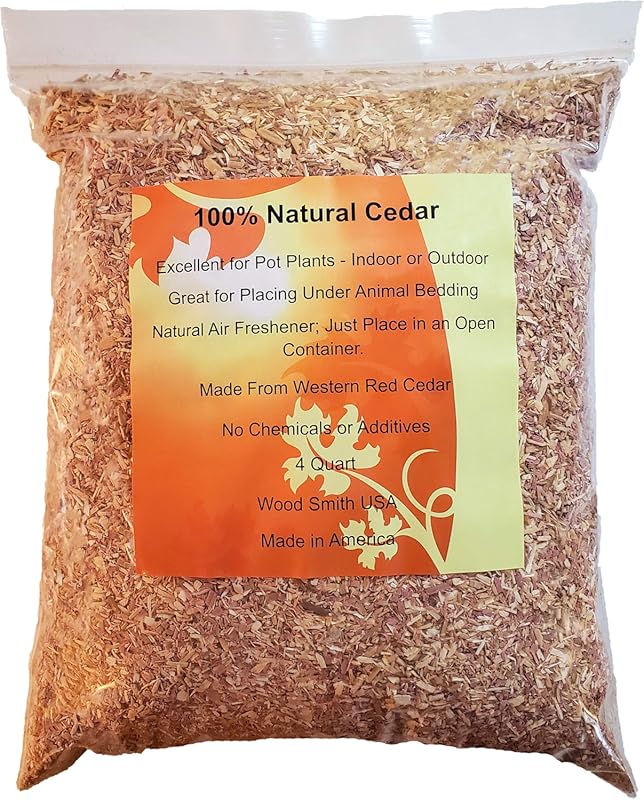
For gardeners looking for a natural, aromatic, and durable mulch for vegetable garden, these 100% Natural Cedar Chips are an excellent choice. Sourced from Florida, USA, these 4 quarts of cedar chips offer not just practical benefits for your plants but also a pleasant, subtle earthy smell. They are versatile enough for outdoor and indoor plants, and even for other uses like pet bedding, making them a multi-functional addition to your home and garden.
Key Features That Stand Out
- ✓ 100% natural cedar chips, free from chemicals or additives.
- ✓ Effectively holds moisture in the soil for healthier plants.
- ✓ Emits a natural, pleasant cedar scent, acting as an air freshener.
- ✓ Versatile use for gardens, potted plants, and even pet bedding.
Why We Recommend It
We recommend this cedar chips mulch for its natural pest-repelling qualities and long-lasting nature. The beautiful cedar aroma is an added bonus, and its ability to retain moisture and suppress weeds makes it a valuable asset for your vegetable garden. Plus, its multi-purpose functionality offers great value.
Best For
This mulch is best for gardeners seeking a durable, aromatic, and natural mulch that offers some pest deterrence, particularly for specific garden beds, around fruit trees, or even container vegetables.
Pros and Cons
Pros:
- Natural insect-repelling properties of cedar.
- Long-lasting and decomposes slowly.
- Pleasant, natural aroma.
- Excellent moisture retention and weed suppression.
Cons:
- Smaller quantity, more suited for specific areas or pots.
- Might leach some color into the soil initially.
- Can sometimes shift or float away in heavy rain if not well integrated.
Customer Reviews
Customer Review: “These cedar chips are wonderful! They smell amazing in my raised herb garden, and I’ve noticed fewer pesky bugs. My plants seem very happy with the consistent moisture.” – Sophia T.
Customer Review: “I used these around my pepper plants, and they’re doing great. The chips keep the soil cool and moist, and I love the natural look. A great small batch option.” – Kevin B.
Complete Buying Guide for Mulch For Vegetable Garden
Essential Factors We Consider
When choosing the best mulch for your vegetable garden, it’s not just about aesthetics; it’s about functionality. We always look at several key factors. First, consider the material: organic mulches like straw, shredded leaves, or coconut coir are fantastic because they break down over time, enriching your soil. Inorganic mulches like landscape fabric can also work for weed control, but they won’t add nutrients. Second, think about weed suppression. A good mulch should be thick enough to block sunlight, preventing weed seeds from germinating. Third, moisture retention is crucial, especially in warmer climates. Materials that hold water well, like straw or wood chips, reduce the need for frequent watering. Finally, consider how long the mulch will last and how easy it is to apply. Some mulches need annual replenishment, while others, like cedar chips, last longer.
Budget Planning
Budgeting for garden mulch can vary wildly depending on the type and quantity you need. Straw and shredded leaves are generally the most affordable, especially if you can source them locally or produce them yourself. Coconut coir and cedar chips tend to be a bit pricier per bag, but they often offer specific benefits like unique nutrient profiles or pest deterrence. When planning your budget, measure your garden area to estimate how much mulch you’ll need. Buying in bulk or larger bags can often save you money in the long run. Remember, investing in good quality mulch for your vegetable garden can save you money on water and weeding tools down the line, so it’s often a worthwhile expense.
Final Thoughts
Ultimately, the best mulch for your vegetable garden depends on your specific needs, climate, and gardening style. No matter which you choose, the benefits of mulching are undeniable: healthier soil, happier plants, and significantly less work for you. Always prioritize organic options that will break down and feed your soil, creating a truly sustainable and productive garden ecosystem. Don’t be afraid to experiment with different types to see what works best for your veggies!
Frequently Asked Questions
Q: What is the best type of mulch for a vegetable garden?
A: The “best” type of mulch for a vegetable garden often depends on your specific needs, but organic mulches like straw, shredded leaves, grass clippings (in thin layers), and compost are highly recommended. They suppress weeds, retain moisture, regulate soil temperature, and break down to enrich the soil over time.
Q: How thick should mulch be in a vegetable garden?
A: For most vegetable gardens, a layer of mulch between 2 to 4 inches thick is ideal. This depth is usually enough to suppress weeds and retain moisture effectively without smothering young plants or preventing water from reaching the soil.
Q: Does mulch attract pests to my vegetable garden?
A: While some mulches, especially wood-based ones, can potentially provide shelter for pests like slugs or earwigs, many mulches like straw or cedar chips can actually deter certain insects. Proper application (keeping mulch a few inches away from plant stems) and avoiding overly thick, wet layers can minimize any pest issues in your vegetable garden.
Q: Can I use fresh grass clippings as mulch for my vegetables?
A: Yes, you can use fresh grass clippings as mulch for your vegetable garden, but it’s important to apply them in very thin layers (no more than 1/2 inch at a time). Thicker layers can compact, heat up, and create an anaerobic environment, potentially harming your plants. Allow them to dry slightly before adding more.
Q: How often should I reapply mulch to my vegetable garden?
A: The frequency of reapplication depends on the type of mulch for vegetable garden you use. Organic mulches like straw or shredded leaves decompose faster and may need to be topped up annually or every growing season. Wood chips or cedar chips last longer, often needing replenishment every 2-3 years.
Choosing the right mulch for your vegetable garden is one of the most impactful decisions you can make for its health and productivity. From superior weed control and water conservation to nurturing your soil, the benefits are immense. We hope this guide helps you find the perfect match for your gardening ambitions. Ready to give your veggies the protection and nourishment they deserve? Click through our recommendations and get mulching today!