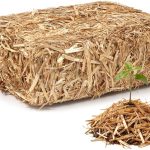
Welcome to our comprehensive guide on selecting the best bagged mulch for your vegetable garden! Adding mulch to your garden beds is one of the simplest yet most effective ways to boost plant health, suppress weeds, and conserve moisture. For busy gardeners or those with smaller plots, bagged mulch offers unparalleled convenience and ease of use. You can easily transport it, store it, and apply it exactly where needed without the hassle of bulk delivery. Choosing the right type of mulch is crucial for your vegetables, as different materials offer unique benefits, from nutrient enrichment to pest deterrence. Dive into our expert-tested recommendations to find the perfect mulch to help your vegetable garden thrive this season!
Quick Product Comparison
Our Top 5 Bagged Mulch For Vegetable Garden Reviews – Expert Tested & Recommended
1. Premium Organic Natural Shredded Mulch, OMRI Listed, Eco-Friendly, 1.5 cu. ft. for Gardens & Plant Health.
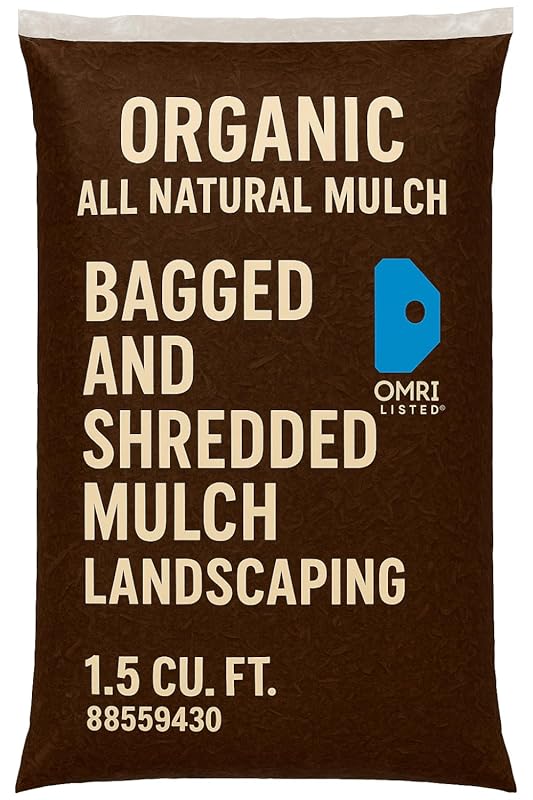
This premium organic natural shredded mulch is a fantastic choice for any vegetable gardener focused on sustainability and plant health. Being OMRI Listed, you can be confident it’s free from synthetic chemicals, making it perfectly safe for your edible crops. Its shredded texture helps it interlock, providing excellent coverage and staying power in your garden beds.
Key Features That Stand Out
- ✓ OMRI Listed: Ensures the product meets organic standards for safe use in vegetable gardens.
- ✓ Shredded Texture: Provides superior weed suppression and moisture retention by creating a dense, interlocking layer.
- ✓ Eco-Friendly Composition: Made from natural, sustainable materials, beneficial for both your garden and the environment.
- ✓ Boosts Plant Health: Gradually enriches the soil as it breaks down, feeding your plants naturally.
- ✓ Moisture Retention & Weed Control: Significantly reduces watering needs and keeps pesky weeds at bay.
Why We Recommend It
We highly recommend this bagged mulch for vegetable garden use because of its organic certification and effective performance. It’s truly a workhorse, doing an excellent job of keeping soil temperatures stable, suppressing weeds, and holding moisture. Plus, knowing it’s organic gives peace of mind when growing food for your family.
Best For
This mulch is ideal for organic gardeners, those with raised vegetable beds, and anyone seeking a high-quality, effective, and environmentally conscious solution for their garden.
Pros and Cons
Pros:
- Excellent for organic gardening due to OMRI listing.
- Superior weed suppression and moisture conservation.
- Gradually adds organic matter and nutrients to the soil.
- Attractive, natural appearance in the garden.
Cons:
- Can be pricier than conventional mulches.
- May decompose faster than some wood mulches, requiring more frequent reapplication.
- Initial settling might require minor adjustments after application.
Customer Reviews
Customer Review: “I’ve been using this organic shredded mulch in my raised vegetable beds for two seasons now, and my plants have never looked better! Weeds are virtually nonexistent, and I water much less frequently. Highly recommend for any serious organic gardener.” – GardenGoddess78
Customer Review: “The quality of this mulch is fantastic. It has a nice, natural look, and it feels good knowing it’s safe for my tomatoes and peppers. It covers a good area per bag, making it convenient.” – EcoFarmerDan
2. Espoma Organic Chicken Manure 25 lb. Bag, All Natural Fertilizer for Gardens, Flowers, Vegetables, Trees.
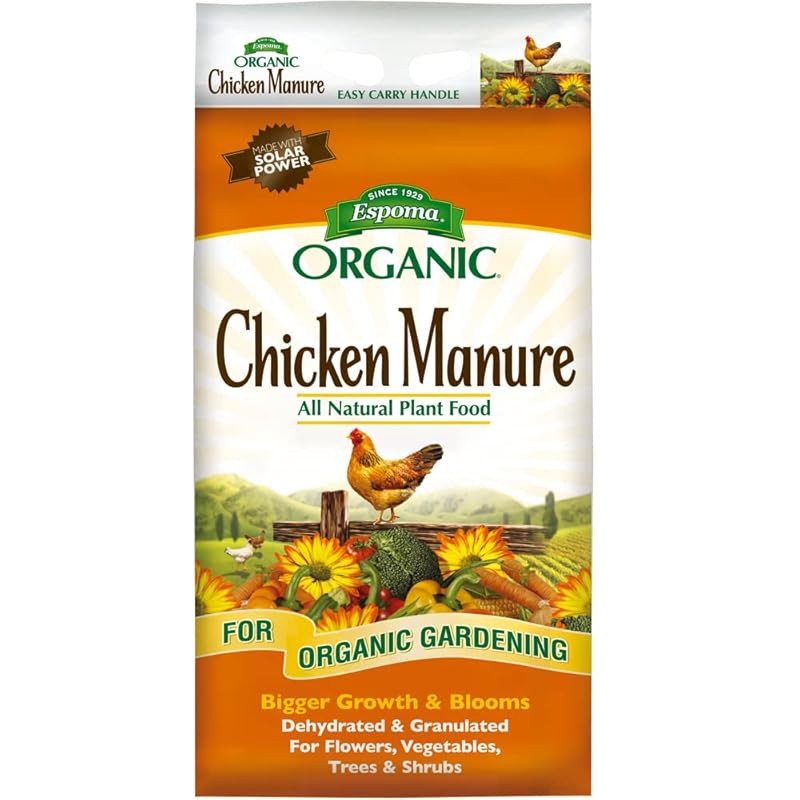
While often thought of as a fertilizer, Espoma Organic Chicken Manure can also serve as an excellent nutrient-rich “mulch” or soil amendment for your vegetable garden. It’s completely natural and provides a potent dose of nitrogen, phosphorus, and potassium, along with calcium, to supercharge your plant growth. This granulated product is easy to apply and works wonders for boosting overall garden health.
Key Features That Stand Out
- ✓ 100% Organic Chicken Manure: A completely natural and sustainable source of plant nutrition.
- ✓ Rich NPK Analysis (5-3-2): Provides essential macronutrients for vigorous growth, flowering, and fruiting.
- ✓ Contains 8% Calcium: Important for strong cell walls and preventing issues like blossom end rot in tomatoes.
- ✓ Granulated for Easy Application: Simple to spread evenly around plants or incorporate into the soil.
- ✓ Versatile Use: Excellent for vegetables, flowers, trees, and shrubs, enhancing soil fertility across your garden.
Why We Recommend It
We selected this product because of its powerful dual benefits: it’s not just a fertilizer but acts as a long-term soil conditioner, enriching the earth beneath your vegetables. For gardens needing a nutrient boost, especially in poorer soils, this bagged chicken manure is an exceptional choice. It genuinely transforms soil health, leading to more robust plants and higher yields.
Best For
Gardeners looking to significantly improve soil fertility and provide a slow-release nutrient source, particularly for heavy feeders like corn, squash, and leafy greens. It’s also great for rejuvenating existing garden beds.
Pros and Cons
Pros:
- Provides abundant natural nutrients, boosting growth and yield.
- Improves soil structure and encourages beneficial microbial activity.
- Organic certification makes it safe for edible crops.
- Easy to spread granules for consistent coverage.
Cons:
- May have a strong, noticeable odor for a few days after application.
- Its primary function is fertilization, not weed suppression or moisture retention.
- Requires regular application throughout the growing season.
Customer Reviews
Customer Review: “My vegetables have never been happier since I started using Espoma Chicken Manure. The growth is incredible, and I’ve seen a noticeable increase in my harvest. The smell dissipates quickly, so it’s a minor trade-off for amazing results!” – VeggieLover22
Customer Review: “This is my secret weapon for prize-winning tomatoes. It’s easy to sprinkle around, and being organic, I feel good about what I’m putting into my garden. A must-have for any serious vegetable grower.” – GreenThumbGuru
3. Back to the Roots 100% Organic Expanding Coconut Husk Mulch Block, 58 Quart, for Gardening.
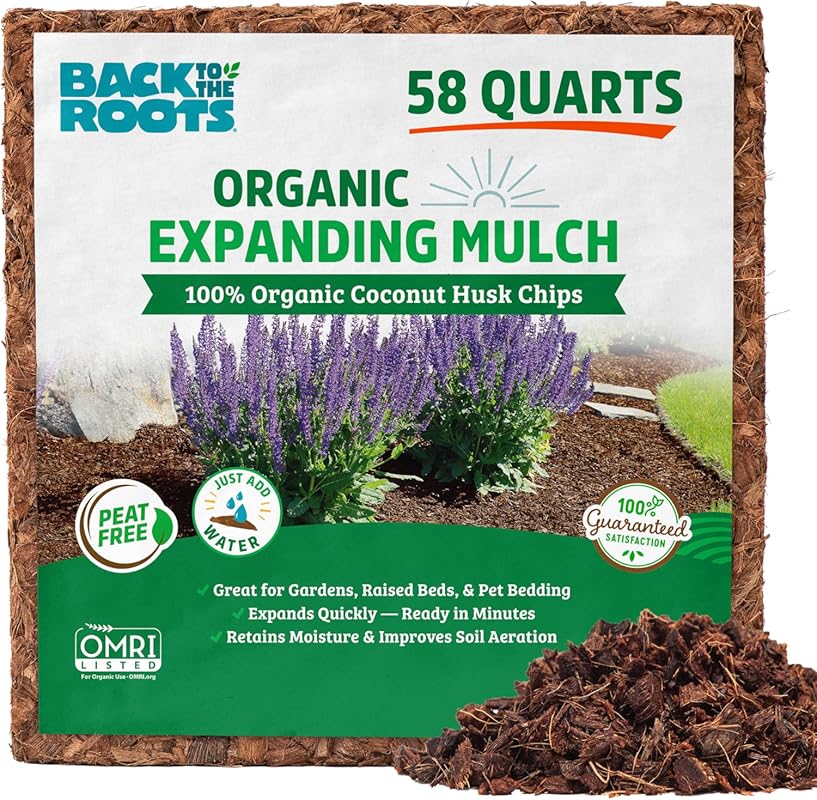
For those looking for an eco-friendly and space-saving solution, the Back to the Roots Organic Expanding Coconut Husk Mulch Block is a game-changer. This compact block dramatically expands when hydrated, yielding a significant amount of rich, organic mulch for your vegetable garden. It’s an excellent peat-free alternative, promoting aeration and superb moisture retention.
Key Features That Stand Out
- ✓ Expansive Coconut Husk: A 10lb block expands to over 2 cubic feet, offering great value and coverage.
- ✓ 100% Organic & OMRI Listed: Ensures a natural and safe growing environment for your edible plants.
- ✓ Peat-Free Formula: A sustainable and environmentally conscious alternative to traditional peat moss.
- ✓ Excellent Water Retention: Holds moisture effectively, reducing the need for frequent watering.
- ✓ Improves Soil Aeration: Prevents compaction and allows plant roots to breathe better.
Why We Recommend It
This bagged mulch is a top pick for its sustainability and incredible expansion rate, providing a large volume of mulch from a small package. It’s particularly useful for moisture management in vegetable gardens, helping to keep your plants consistently hydrated. The peat-free and OMRI-listed status makes it a responsible choice for gardeners.
Best For
Gardeners with limited storage space, those committed to sustainable and peat-free gardening, and anyone needing effective moisture retention in their vegetable garden, especially in drier climates.
Pros and Cons
Pros:
- Highly sustainable and eco-friendly, being peat-free.
- Expands significantly from a compact block, saving storage space.
- Exceptional moisture retention properties.
- OMRI listed for safe use in organic vegetable gardens.
Cons:
- Requires initial hydration and expansion before use.
- May not add as many nutrients to the soil as wood or compost mulches.
- Can be lightweight and prone to blowing away in strong winds if not watered in.
Customer Reviews
Customer Review: “I was skeptical about a ‘mulch block,’ but this stuff is amazing! It expanded perfectly, and I got so much mulch for my raised beds. My veggies are loving the consistent moisture, and it looks great.” – HappyHydroponic
Customer Review: “Finally, an organic, peat-free option that actually works and is easy to store. I appreciate that it’s OMRI listed. It’s been great for keeping my carrot and radish beds moist and weed-free.” – EarthFriendlyGardener
4. SuperMoss 23261 Natural Brown Coco Mulch, 200 cubic inches, Ideal for Gardens & Planters.
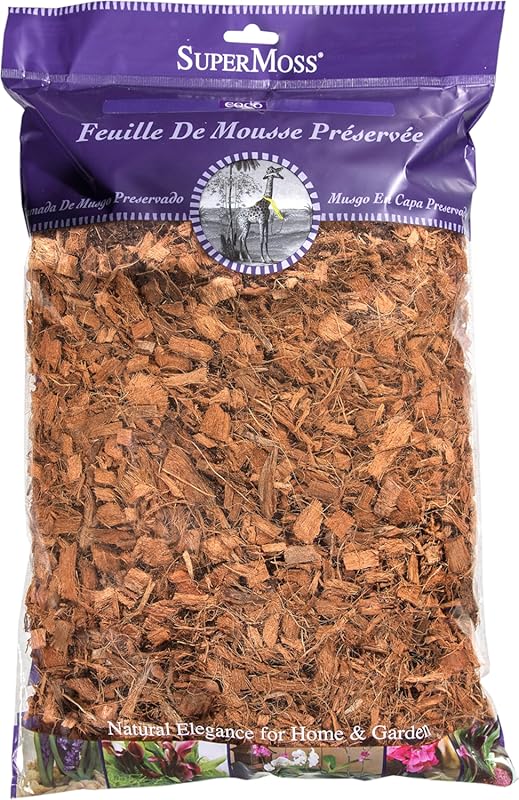
The SuperMoss Natural Brown Coco Mulch is a finely textured, natural option perfect for both garden beds and potted plants, especially those in your vegetable garden. Made from coco fibers, this mulch is known for its ability to prevent soil hardening, a common issue with some other soil types, and offers excellent water retention. It’s also designed to be long-lasting and free from soil-borne diseases.
Key Features That Stand Out
- ✓ Natural Coco Mulch: Made from sustainable coconut fibers, providing an earthy brown aesthetic.
- ✓ Prevents Soil Hardening: Unlike peat-based products, it maintains soil aeration and structure, improving root health.
- ✓ Superior Water Absorption: Effectively holds and slowly releases moisture, keeping plants hydrated longer.
- ✓ Long-Lasting Durability: Resists decomposition, providing extended benefits and reducing the need for frequent reapplication.
- ✓ Free from Soil-Borne Diseases: A cleaner option that helps protect your plants from common pathogens.
Why We Recommend It
This bagged coco mulch is a fantastic solution for gardeners who prioritize soil health and consistent moisture levels. Its ability to prevent soil hardening is a huge plus for delicate vegetable roots, ensuring they can grow unhindered. We appreciate its longevity and the peace of mind that comes with a disease-free material.
Best For
Container gardeners, small vegetable garden plots, and those looking for a finely textured, natural mulch that excels at moisture management and promoting healthy root development without hardening the soil.
Pros and Cons
Pros:
- Excellent for maintaining soil aeration and preventing compaction.
- Provides great moisture retention, reducing watering frequency.
- Long-lasting material that decomposes slowly.
- Clean and free from common soil-borne diseases.
Cons:
- Smaller quantity (200 cubic inches) makes it less economical for large areas.
- Limited weed suppression compared to thicker, denser mulches.
- Can be somewhat light and might be displaced by heavy rain or wind.
Customer Reviews
Customer Review: “I use this coco mulch in my herb garden and for my potted peppers. It works wonderfully to keep the soil moist, and I’ve noticed fewer issues with fungus. It’s a small bag, but a little goes a long way for specific plants.” – UrbanGardenerette
Customer Review: “Fantastic stuff for my indoor vegetable starts and outdoor containers. The soil never gets hard, and the plants just seem healthier. Definitely buying more for next season.” – GreenThumbMike
5. Natural Cedar Chips Mulch, 4 Quarts, Great for Outdoor Gardens, Potted Plants & Dog Bedding.
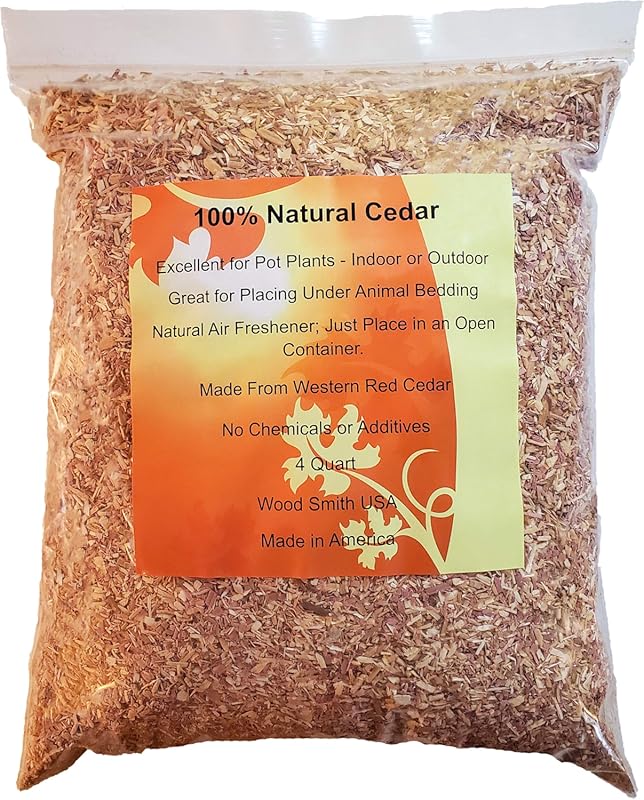
Natural Cedar Chips Mulch brings a wonderful aroma and several practical benefits to your vegetable garden. Cedar is well-known for its pleasant scent and natural insect-repelling qualities, making it a thoughtful addition around certain vegetable plants. This product also helps to hold moisture, though its primary draw might be its aesthetic appeal and aromatic properties, making it a versatile choice for various garden needs.
Key Features That Stand Out
- ✓ Natural Cedar Wood Chips: Provides a beautiful, rustic look and a distinctive, pleasant aroma.
- ✓ Holds Moisture: Helps to reduce evaporation from the soil, keeping your plants hydrated.
- ✓ Natural Insect Deterrent: The cedar scent can help deter common garden pests.
- ✓ Multi-Purpose Use: Great for outdoor gardens, potted plants, and even as pet bedding or air fresheners.
- ✓ Made in Florida, USA: Supports local production and quality control.
Why We Recommend It
For gardeners looking for a visually appealing and aromatic bagged mulch that also offers some pest deterrence, these natural cedar chips are an excellent option. While the 4-quart size is small for large beds, it’s perfect for targeted applications, containers, or integrating into pathways near your vegetable garden. The subtle cedar scent is a delightful bonus!
Best For
Small garden beds, container gardens, pathways, or specific areas where you want to add a pleasant scent and natural insect deterrence. Also useful for those who appreciate the aesthetic of wood chips.
Pros and Cons
Pros:
- Pleasant, natural cedar scent that deters certain insects.
- Attractive and decorative appearance for garden beds.
- Good for moisture retention around plants.
- Long-lasting material that decomposes very slowly.
Cons:
- Very small quantity (4 quarts) makes it expensive for extensive garden use.
- Does not add significant nutrients to the soil as it breaks down.
- May not be suitable for all vegetable types as strong aromatics can sometimes affect delicate plants.
Customer Reviews
Customer Review: “I love the smell of these cedar chips! I put them around my basil and peppers, and they look and smell fantastic. It’s a small bag, but exactly what I needed for my smaller potted veggie plants.” – AromaGardenista
Customer Review: “I bought these for my pet enclosure, but ended up using some in my raised beds too. They help keep the moisture in, and I actually think I’ve seen fewer small bugs around my tomatoes. Great scent!” – HappyGardenerAndPetOwner
Complete Buying Guide for Bagged Mulch For Vegetable Garden
Essential Factors We Consider
Choosing the right bagged mulch for your vegetable garden can feel a bit overwhelming with so many options available. When we evaluate mulches, we look at several key factors that directly impact your vegetables’ health and your gardening effort. First, consider the material type: organic mulches like shredded wood, straw, or compost will break down and enrich your soil over time, which is fantastic for vegetables. Inorganic mulches, like gravel, don’t decompose and therefore don’t add nutrients, but they can be good for pathways. For vegetables, we almost always lean towards organic options. Second, think about nutrient contribution. Some mulches, like compost or well-rotted manure, offer a significant nutrient boost, acting as both a soil amendment and a protective layer. Others, like wood chips, provide less immediate nutrition but improve soil structure. Third, weed suppression and moisture retention are paramount. A good mulch should form a barrier that blocks sunlight from weeds and slows down water evaporation, saving you time and effort. Lastly, pest control can be a bonus; cedar mulch, for instance, is known to deter certain insects naturally. Always consider the specific needs of your vegetables and your garden’s climate.
Budget Planning
Budgeting for bagged mulch for vegetable garden use is crucial, as costs can vary widely. While bulk mulch can be cheaper per cubic yard, bagged mulch often offers convenience and specialized options that are worth the extra cost, especially for smaller gardens or specific needs. Consider the volume needed for your garden; larger vegetable patches will naturally require more bags. Don’t just look at the upfront price per bag; calculate the cost per cubic foot or yard to truly compare value. Some mulches, like expanding coco coir blocks, might seem expensive initially but yield a large volume once hydrated. Also, factor in the longevity of the mulch. A long-lasting mulch might have a higher initial cost but save you money and effort in the long run by not needing frequent reapplication. Sometimes, investing a little more in a higher-quality, organic mulch can lead to healthier plants and bigger harvests, offsetting the initial expense.
Final Thoughts
Ultimately, the best bagged mulch for your vegetable garden depends on your specific goals and gardening style. Whether you prioritize nutrient enrichment, superior weed control, moisture conservation, or a combination of all three, there’s a perfect mulch out there for you. Remember that consistency is key; regular application of a suitable mulch will build healthier soil, reduce maintenance, and lead to more bountiful harvests. Don’t be afraid to experiment with different types to see what works best for your specific soil conditions and vegetable varieties. A little bit of mulch goes a long way in creating a thriving and productive vegetable patch.
Frequently Asked Questions
Q: What are the main benefits of using bagged mulch for a vegetable garden?
A: Using bagged mulch for your vegetable garden offers numerous benefits, including excellent weed suppression, which means less time spent pulling weeds. It also helps to retain soil moisture, reducing your watering frequency and conserving water. Mulch helps to regulate soil temperature, keeping roots cool in summer and warmer in cooler months, leading to less plant stress. Additionally, organic mulches decompose over time, enriching the soil with valuable nutrients and organic matter, which is fantastic for healthy vegetable growth.
Q: How much bagged mulch do I need for my vegetable garden?
A: The amount of bagged mulch you need depends on the size of your garden and the desired depth of the mulch layer. A general rule of thumb for effective weed suppression and moisture retention in a vegetable garden is to apply mulch 2-4 inches deep. You can calculate the area of your garden beds (length x width) and then use an online mulch calculator or a simple conversion (one 2 cubic foot bag covers about 8 sq ft at 3 inches deep) to estimate how many bags you’ll need.
Q: What types of organic bagged mulch are best for vegetable gardens?
A: For vegetable gardens, organic mulches are generally preferred because they decompose and add beneficial nutrients to the soil. Popular and effective types include shredded leaves, straw (make sure it’s weed-free), grass clippings (thin layers only, to avoid matting), wood chips (best for pathways or around larger, established plants as they can draw nitrogen from the soil initially), and compost. Coco coir (coconut husk) is also an excellent option for moisture retention and aeration, as seen with some of our recommended products.
Q: Can I use colored wood mulch in my vegetable garden?
A: While colored wood mulches might look attractive, they are generally not recommended for vegetable gardens. The dyes used in these mulches, though often labeled as safe, can potentially leach into the soil and affect your edible plants. It’s always best to stick to natural, undyed mulches for food-producing areas to avoid any potential chemical contamination and ensure the purest growing environment for your vegetables.
Q: How often should I reapply bagged mulch to my vegetable garden?
A: The frequency of reapplying bagged mulch depends on the type of mulch you use and your local climate. Organic mulches, which break down to enrich the soil, typically need to be topped up annually, usually in the spring before planting or in the fall after harvest. Finely shredded mulches might decompose faster than coarser chips. Keep an eye on the depth of your mulch; when it thins to less than 2 inches, it’s a good time to add more to maintain its benefits.
There you have it – a comprehensive look at the best bagged mulch for your vegetable garden. We hope our detailed reviews and buying guide help you make an informed decision to nurture your edible plants effectively. Remember, a happy garden starts with healthy soil, and the right mulch is a powerful tool in achieving that. Ready to give your veggies the best? Click through to explore our top picks and grab the perfect mulch to help your garden flourish this season!