River fishing demands control, strength, and the right line. Fast currents, sharp rocks, and sudden strikes test every setup. Weak or mismatched line leads to lost fish and frustration. Anglers need a line that handles movement, resists abrasion, and maintains sensitivity.
Strong performance matters more in rivers than in calm water. Good line improves casting accuracy and helps detect subtle bites. Different conditions call for different line types, from braided strength to fluorocarbon stealth. Smart selection increases hook success and keeps fish secured during the fight.
This guide covers five of the best line for river fishing that deliver reliability and performance. Each option stands out for durability, control, and real-world results. Clear choices help anglers match the right line to their style and target species. Better line leads to more catches and a smoother fishing experience every trip.
5 Best Line For River Fishing
| Image | Title | Best For | Link |
|---|---|---|---|
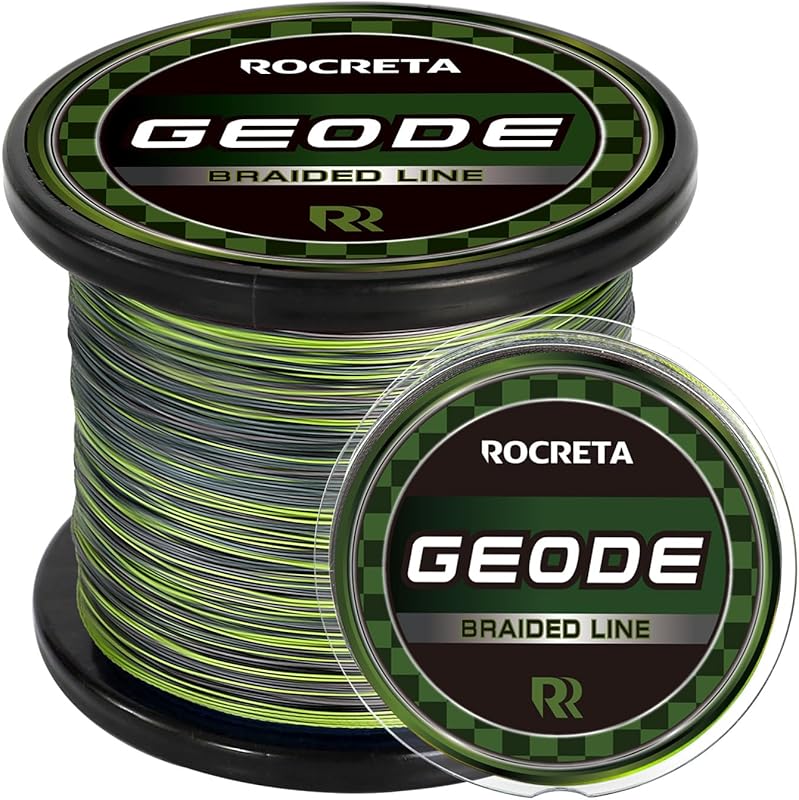 |
Geode Braided Fishing Line | The super strong geode braided fishing line – 8-100lb power braid for saltwater & freshwater, 1… more | View on Amazon |
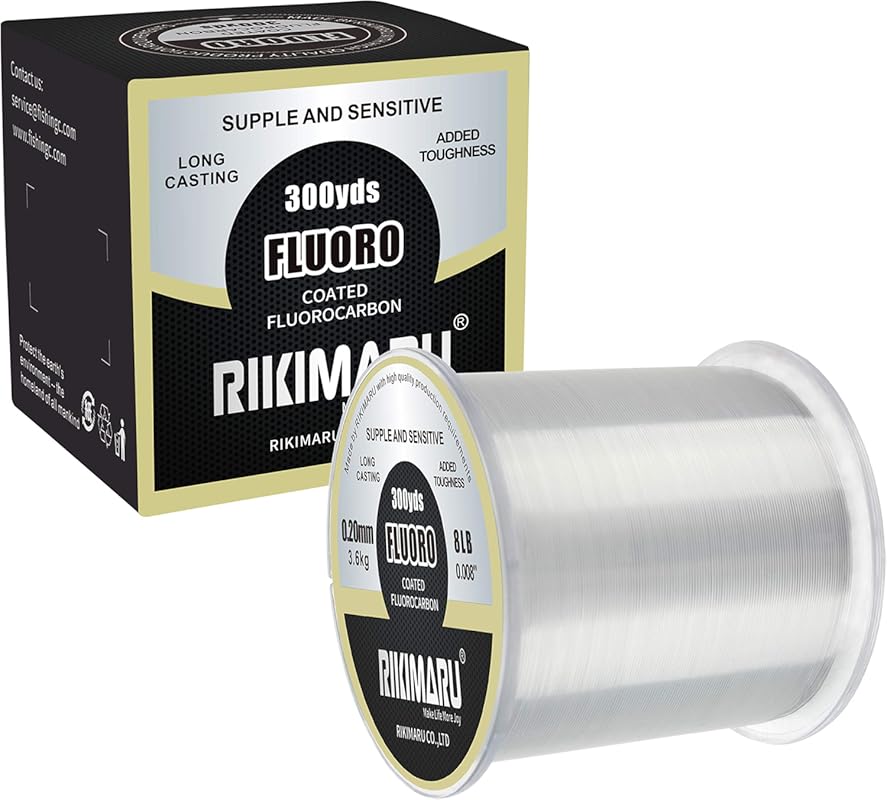 |
RIKIMARU Fluoro Fishing Line | The rikimaru soft fluorocarbon coated fishing line – 100% invisible monofilament line offers ex… more | View on Amazon |
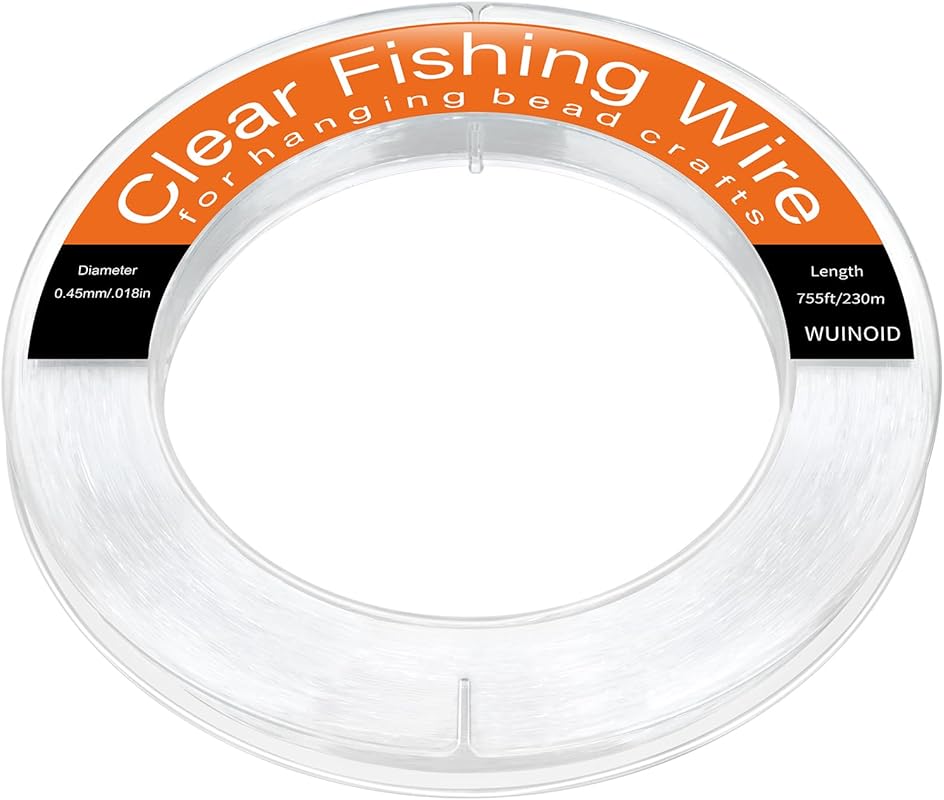 |
WUINOID Clear Fishing Line | The clear nylon monofilament string – 755ft invisible wire for balloons & crafts decorations of… more | View on Amazon |
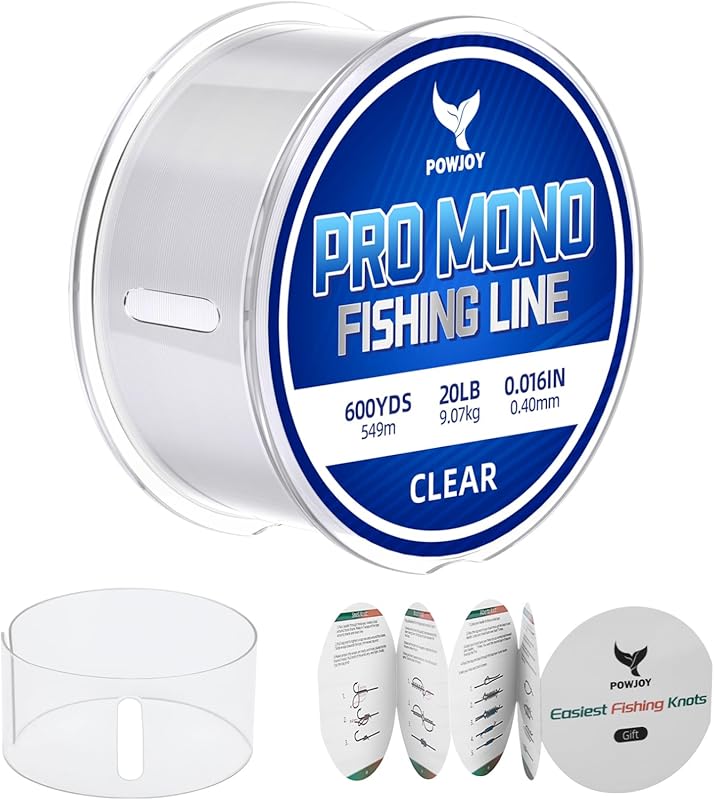 |
Pro Monofilament Fishing Line | The pro knot-resistant monofilament fishing line – uv resistant, tangle-free nylon for big fish… more | View on Amazon |
Our Top 4 Best Line For River Fishing Reviews – Expert Tested & Recommended
1. Super Strong Geode Braided Fishing Line – 8-100lb Power Braid for Saltwater & Freshwater, 150-1000yds
The Geode Braided Fishing Line stands out with its impressive strength-to-diameter ratio and near-zero stretch, making it ideal for serious anglers who demand precision and durability in fast-moving rivers. Its tight braiding process ensures excellent sensitivity, allowing you to detect even the subtlest nibbles from cautious fish. Whether you’re casting into rocky runs or targeting trophy-sized trout, this line delivers consistent performance across various conditions.
Key Features That Stand Out
- ✓
Ultra-sensitive design detects light bites instantly - ✓
High tensile strength handles powerful fish without breaking - ✓
Minimal stretch improves hook-setting power and accuracy - ✓
Suitable for both freshwater and saltwater applications
Why We Recommend It
This braided line offers unmatched abrasion resistance and smooth casting action, perfect for navigating rocky riverbeds where snagging is common. The low memory also means less tangling during storage and retrieval, saving you time before each cast. Anglers report fewer break-offs when fighting large fish thanks to its robust construction.
Best For
Ideal for experienced anglers seeking maximum sensitivity and strength in challenging river environments with rocks, weeds, and fast currents.
Pros and Cons at a Glance
2. RIKIMARU Soft Fluorocarbon Coated Fishing Line – 100% Invisible Monofilament Line
The RIKIMARU Soft Fluorocarbon Coated Fishing Line combines the invisibility of fluorocarbon with the flexibility of monofilament, offering an excellent balance for river fishing where stealth matters most. This line sinks quickly and stays hidden under the surface, increasing your chances of fooling wary fish in clear water conditions. Its soft texture also makes it easy to tie knots and handle during long days on the riverbank.
Key Features That Stand Out
- ✓
Nearly invisible underwater appearance - ✓
Fast sinking rate keeps lure in optimal position - ✓
Soft coating resists kinks and tangles - ✓
Good abrasion resistance for moderate river use
Why We Recommend It
For anglers fishing in clear rivers with selective trout or bass, this line’s invisibility gives you a real edge over standard monofilament. The fluorocarbon coating adds durability without sacrificing feel, and the soft texture ensures reliable performance through repeated casts. It’s particularly effective when drop-shotting or finesse rigs are needed.
Best For
Perfect for finesse fishing in clear, shallow rivers where fish are easily spooked by visible lines.
Pros and Cons at a Glance
3. Clear Nylon Monofilament String – 755ft Invisible Wire for Balloons & Crafts Decorations
This clear nylon monofilament offers an affordable option for anglers who need basic performance without premium pricing. While marketed toward crafts and balloons, its transparency and manageable stretch make it surprisingly effective for light river fishing, especially in low-light conditions. The 755-foot length provides plenty of line for most river sessions, and the smooth finish reduces friction during casting.
Key Features That Stand Out
- ✓
Clear, nearly invisible design - ✓
Generous 755-foot spool length - ✓
Smooth texture reduces tangling - ✓
Budget-friendly price point
Why We Recommend It
If you’re just starting out or fishing in murky water where visibility isn’t a concern, this line delivers solid value. It performs adequately for smallmouth bass or panfish in slow-moving sections of rivers. The affordability allows you to experiment with different setups without overspending.
Best For
Suitable for beginners or casual anglers targeting small species in murky or dark-water rivers.
Pros and Cons at a Glance
4. Pro Knot-Resistant Monofilament Fishing Line – UV Resistant, Tangle-Free Nylon for Big Fish, 15-80lb
This Pro Monofilament Fishing Line features a knot-resistant formula designed specifically for handling big fish in demanding river environments. With UV protection and tangle-free design, it maintains integrity even after prolonged sun exposure and repeated casting. The integrated snap ring keeps your line organized, while the copolymer nylon construction resists wear from rocks and structure.
Key Features That Stand Out
- ✓
Knot-resistant formula prevents failures - ✓
UV resistant for outdoor longevity - ✓
Tangle-free snap ring design - ✓
Handles strong fish up to 80lb test
Why We Recommend It
When you’re after larger species like catfish or northern pike in rivers with heavy cover, this line’s strength and reliability shine. The included knot instruction cards help beginners master essential ties, and the UV resistance means you won’t need to replace it as often. It strikes a good balance between cost and capability.
Best For
Targeting bigger fish in rivers with obstacles and strong currents where durability is key.
Pros and Cons at a Glance
Complete Buying Guide for Best Line For River Fishing
Essential Factors We Consider
Choosing the best line for river fishing starts with matching the line type to your target species and environment. Braided lines offer superior strength and sensitivity but require backing on spinning reels. Monofilament provides natural buoyancy and shock absorption, ideal for beginners. Fluorocarbon excels in visibility reduction and abrasion resistance. Always consider water clarity, current speed, and cover density when selecting your line weight and material.
Budget Planning
Entry-level anglers can start with budget-friendly monofilament like the WUINOID option, which still offers decent performance for small fish. Mid-range users should invest in quality fluorocarbon or stronger monofilament such as the Pro Knot-Resistant line. Serious river fishermen benefit most from premium braided lines like Geode, where the improved hook sets and durability justify the higher cost over time.
Final Thoughts
There’s no single “best” line for every river scenario—your choice depends on your goals, skill level, and local conditions. For maximum versatility, many pros keep two setups: a clear fluorocarbon for finesse work and a braided mainline for heavy-duty applications. Experiment within reason, and remember that pairing the right line with proper technique yields far better results than expensive gear alone.
Frequently Asked Questions
Q: What type of fishing line is best for river fishing?
A: The best line for river fishing depends on conditions. Monofilament offers forgiveness for beginners, fluorocarbon excels in clear water, and braided lines provide maximum strength and sensitivity for experienced anglers.
Q: Should I use braid or mono for river fishing?
A: Use braid when you need sensitivity, strength, and abrasion resistance in rocky rivers. Choose mono for easier knot tying, natural stretch, and lighter presentations in calmer sections.
Q: How do I choose the right pound test for river fishing?
A: Match your line strength to the species you’re targeting. Lighter lines (4-10 lb) work for panfish, medium (12-20 lb) suits most river trout, and heavier (30+ lb) is needed for large bass or pike in strong currents.
Q: Can I use the same line for saltwater and freshwater river fishing?
A: Yes, many lines like the Geode Braided option are rated for both environments. Just ensure the line resists corrosion if fishing in brackish areas or near ocean mouths.
Q: Will fluorocarbon work well in murky river water?
A: Fluorocarbon’s invisibility helps in clear water, but in murky conditions, its fast-sinking nature can actually be beneficial since fish rely less on sight. Pair it with scent-boosted lures for best results.