Raised garden design is a game-changer for anyone looking to grow their own fresh produce or flowers with less strain on their back. By lifting the planting surface, you gain better control over soil quality, drainage, and weed management, making the entire gardening process much more accessible. Whether you are transforming a small balcony or a large backyard, choosing the right structure and planning layout is the secret to a thriving patch. If you are also interested in expanding your water features, you might want to look into how to build a raised garden pond to complement your greenery.
Quick Product Comparison
| Product | Image | Check Price |
|---|---|---|
| 1. Beds Raised: Essential Guide |  |
Check Price |
| 2. No-Dig Gardening | 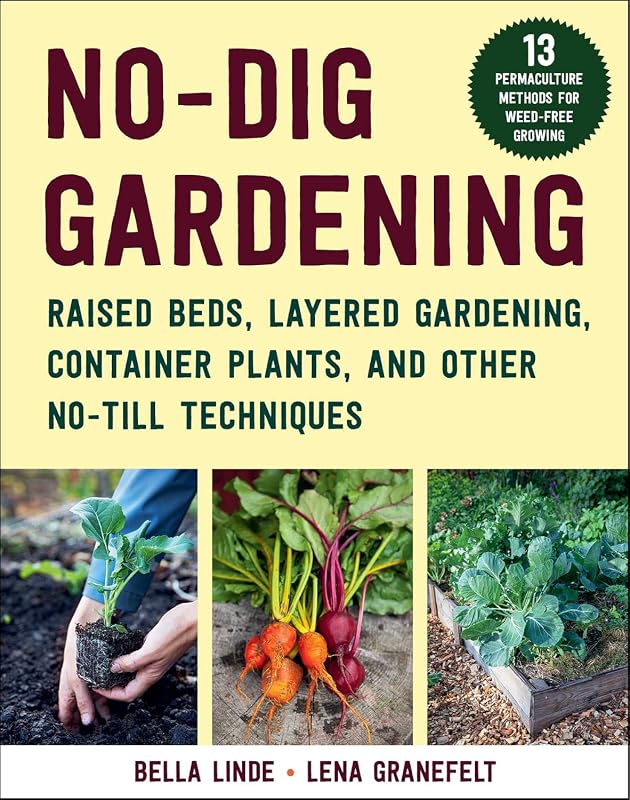 |
Check Price |
| 3. Elegant and Edible Garden | 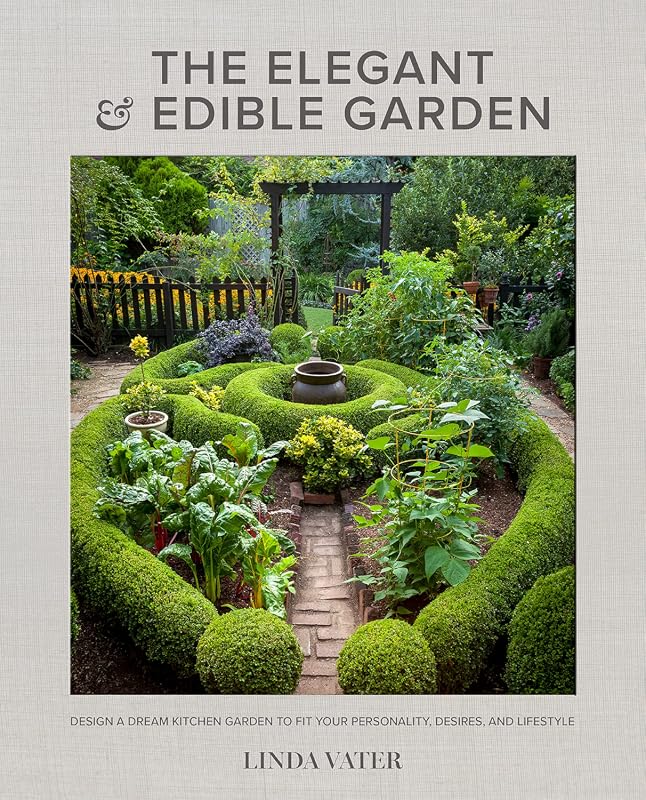 |
Check Price |
| 4. Storey BASICS: Building Raised Beds | 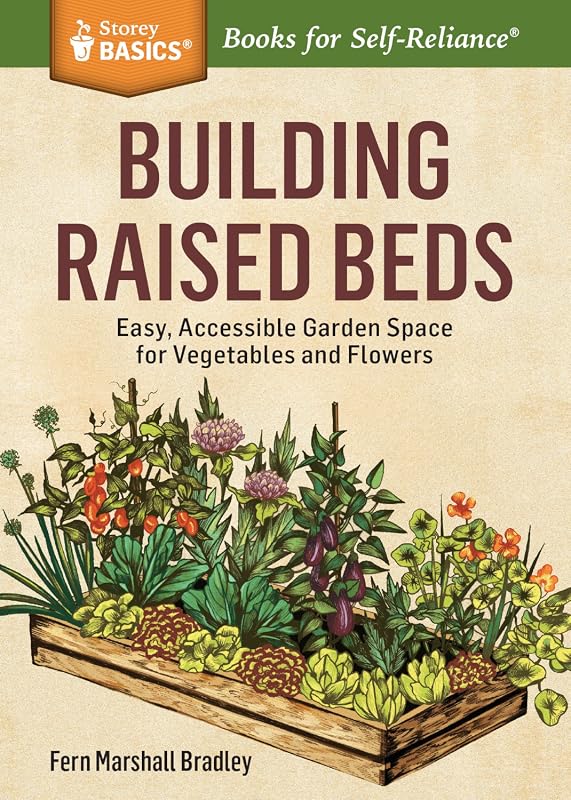 |
Check Price |
| 5. Essential Garden Design Workbook | 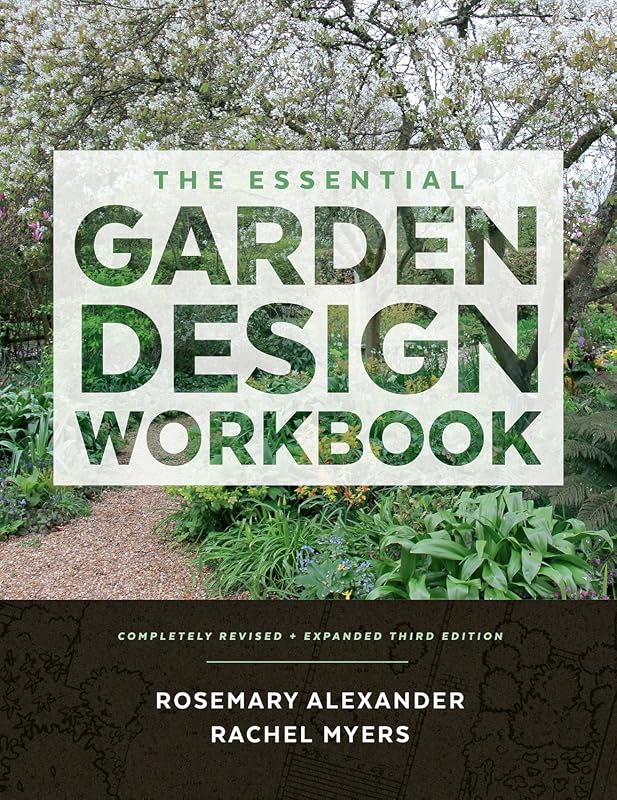 |
Check Price |
Our Top 5 Raised Garden Design Reviews – Expert Tested & Recommended
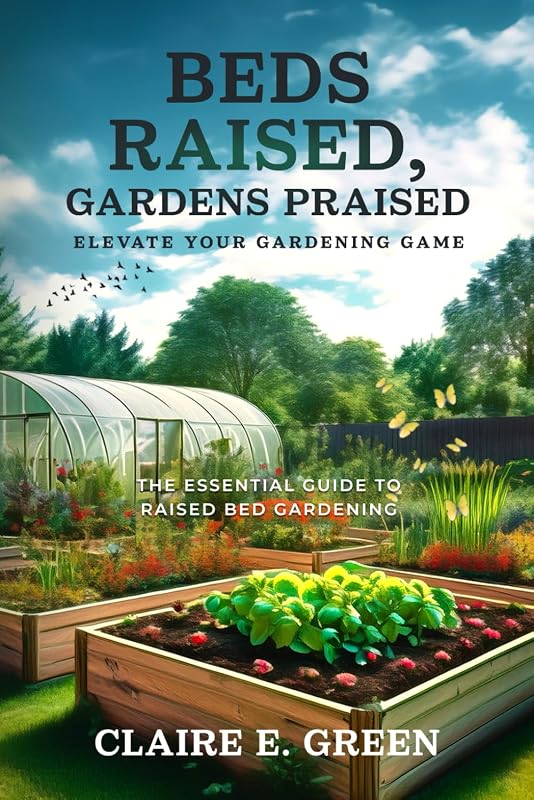
1. Beds Raised: Essential Guide
This guide is the perfect starting point for anyone feeling overwhelmed by garden planning. It breaks down complex construction techniques into simple, manageable steps that even a novice can follow.
Key Features That Stand Out
- ✓ Comprehensive breakdown of material choices
- ✓ Step-by-step assembly diagrams
- ✓ Soil health and plant spacing tips
Why We Recommend It
We love this book because it focuses on long-term success rather than just short-term aesthetics. It provides a solid foundation for building a productive raised garden design that will last for years.
Best For
Ideal for beginners who need a clear, reliable roadmap for their first raised bed project.
Pros:
- Easy to understand language
- Great visual aids
- Focuses on sustainable growth
Cons:
- Limited advanced architectural designs
- Mostly focused on vegetable gardening
Customer Reviews
Customer Review: “This book made building my first bed so much easier. I felt confident starting the project after just one afternoon of reading!” – Sarah M.
Customer Review: “Practical, honest advice that actually works for home gardens. Highly recommend for any gardener.” – Tom D.
2. No-Dig Gardening: No-Till Techniques
If you prefer low-impact gardening, this book is essential. It teaches you how to maintain soil structure and boost nutrients without needing to constantly turn the earth.
Key Features That Stand Out
- ✓ Explanation of soil microbiology
- ✓ Layering techniques for healthy beds
- ✓ Weeding efficiency secrets
Why We Recommend It
This is a fantastic resource for anyone who wants to optimize their raised bed without the physical labor of tilling. Many gardeners find that using the best mulch for raised garden beds pairs perfectly with these methods.
Best For
Organic gardeners who want to maximize yields while minimizing soil disturbance.
Pros:
- Promotes long-term soil fertility
- Great for reducing weed growth
- Step-by-step organic methods
Cons:
- Requires specific organic materials
- Can take time to establish
Customer Reviews
Customer Review: “Changed the way I approach my vegetable patch forever. The no-till advice is pure gold.” – Lisa B.
Customer Review: “My back thanks me every day! This method is so much easier on the joints.” – Greg H.
3. Elegant and Edible Garden
Gardening doesn’t have to be messy; this book shows you how to design a beautiful, functional space that looks as good as it tastes.
Key Features That Stand Out
- ✓ Beautiful landscape design principles
- ✓ Selecting edible plants that pop
- ✓ Integrating flowers with veggies
Why We Recommend It
It helps you realize that your raised garden design can be a focal point of your backyard aesthetic. It provides creative ideas that don’t break the bank while teaching you to select the best garden bed soil for success.
Best For
Homeowners who want their vegetable garden to look like a high-end landscape project.
Pros:
- Incredible design photos
- Highly inspiring content
- Focuses on visual beauty
Cons:
- Less focus on building techniques
- More for intermediate gardeners
Customer Reviews
Customer Review: “My vegetable garden now looks like a professional landscape feature. Absolutely love the layout ideas.” – Clara V.
Customer Review: “Finally, a book that understands edible plants can be beautiful. Stunning photos!” – Mark S.
4. Storey BASICS: Building Raised Beds
This is a classic ‘how-to’ book that takes the mystery out of construction. It is highly practical and perfect for anyone ready to pick up some lumber and tools.
Key Features That Stand Out
- ✓ Detailed blueprints for various bed sizes
- ✓ Clear instructions for DIY beginners
- ✓ Maintenance and long-term care
Why We Recommend It
If you prefer a hands-on approach, this book is your best friend. It removes the stress of planning and gets you straight to the building phase of your raised garden design.
Best For
DIY enthusiasts who want a solid reference for building sturdy garden structures.
Pros:
- Highly practical instructions
- Great variety of designs
- Easy to follow even for total novices
Cons:
- Standard design focus
- Black and white illustrations
Customer Reviews
Customer Review: “Built two beds in a weekend thanks to these plans. Very straightforward and helpful.” – Dave P.
Customer Review: “Finally, instructions that aren’t overly complicated. Perfect for a casual DIYer.” – Jane L.
5. Essential Garden Design Workbook
Planning is everything, and this workbook ensures you don’t miss a single detail while designing your outdoor area.
Key Features That Stand Out
- ✓ Interactive planning pages
- ✓ Comprehensive site analysis
- ✓ Seasonal planning guides
Why We Recommend It
It’s essentially a guided project manager for your yard. If you want to ensure your raised garden design fits perfectly with your existing space, this is the tool for you.
Best For
Those who want a structured, analytical way to plan their entire landscape.
Pros:
- Excellent organizational tools
- Encourages thorough planning
- Great for long-term project tracking
Cons:
- Requires significant upfront time
- May be overkill for small spaces
Customer Reviews
Customer Review: “Stopped me from making expensive mistakes. Loved the planning exercises.” – Sam T.
Customer Review: “Great for visualizing the potential of my backyard. A very thorough process.” – Beth K.
Complete Buying Guide for Raised Garden Design
Essential Factors We Consider
When choosing a guide or kit for your raised garden design, consider your climate, the type of soil you have, and the specific vegetables you want to grow. You should also look for materials that won’t leach chemicals into your food, such as cedar or untreated pine.
Budget Planning
Start with a clear budget. You don’t need to build everything at once! It is better to have one well-built, thriving raised bed than three poorly constructed ones that collapse after a single season.
Final Thoughts
Building a garden is a rewarding hobby that pays off in delicious harvests. Take your time, plan your space, and remember that even the most beautiful garden starts with a simple, well-thought-out design.
Frequently Asked Questions
Q: How deep should my raised bed be?
A: Most vegetables thrive in 6-12 inches of depth. For deep-rooting vegetables like carrots or potatoes, aim for 18 inches.
Q: Can I place raised beds on grass?
A: Yes, but it is highly recommended to line the bottom with landscape fabric or cardboard to prevent weeds and grass from growing into your beds.
Q: What is the best wood for a raised bed?
A: Cedar is naturally rot-resistant and lasts the longest, but untreated pine is a more budget-friendly option if you are willing to replace it eventually.
Q: Do I need a professional design?
A: Not at all! Using the guides reviewed above will provide all the professional-level insight you need to build a stunning, functional garden yourself.
Creating your perfect garden oasis is a journey, and with the right resources, you will be growing your own food in no time. Whether you choose to follow a no-dig method or build custom wooden beds, every step you take adds life to your backyard. Start your raised garden design project today—your kitchen and your soil will thank you!