Starting a vegetable garden is one of the most rewarding hobbies you can undertake, but your success largely depends on the foundation you provide for your plants. High-quality garden soil for vegetables provides the essential nutrients, proper drainage, and aeration needed for robust growth. Whether you are working with raised beds or improving your existing in-ground soil, choosing the right mix can make the difference between a sparse harvest and a backyard full of fresh produce. In this guide, we break down the best options currently on the market to help your garden thrive.
Quick Product Comparison
Our Top 5 Garden Soil For Vegetables Reviews – Expert Tested & Recommended
1. Espoma Organic Raised Bed Mix
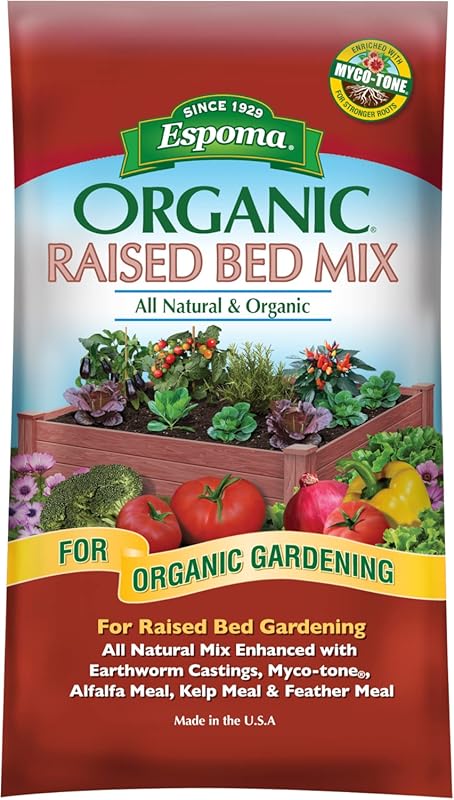
If you are setting up new raised beds, this mix is an absolute game-changer. It is specifically formulated to provide the perfect balance of moisture retention and aeration, which is exactly what your best garden bed soil needs to support vigorous vegetable growth.
Key Features That Stand Out
- ✓ Enriched with high-quality earthworm castings and alfalfa meal.
- ✓ Features proprietary Myco-Tone for enhanced root health.
- ✓ Organic formula safe for edible crops.
Why We Recommend It
We love this mix because it is ready to use right out of the bag and takes the guesswork out of soil preparation. It creates a fluffy, nutrient-dense environment that helps delicate seedlings establish strong root systems quickly.
Best For
Ideal for gardeners using raised beds or large outdoor containers who want a premium, all-natural start.
Pros and Cons
Pros:
- Excellent moisture retention for hot days.
- Includes beneficial mycorrhizae for root strength.
- Completely organic and chemical-free.
Cons:
- Can be slightly heavy for very small pots.
- Higher price point than basic topsoil.
Customer Reviews
Customer Review: “My tomatoes have never looked better! This soil is light and rich, making it so easy to plant my starters.”
Customer Review: “I used this for my raised vegetable garden, and the growth rate was noticeably faster than my previous years’ soil.”
2. Espoma Organic Vegetable Flower Soil
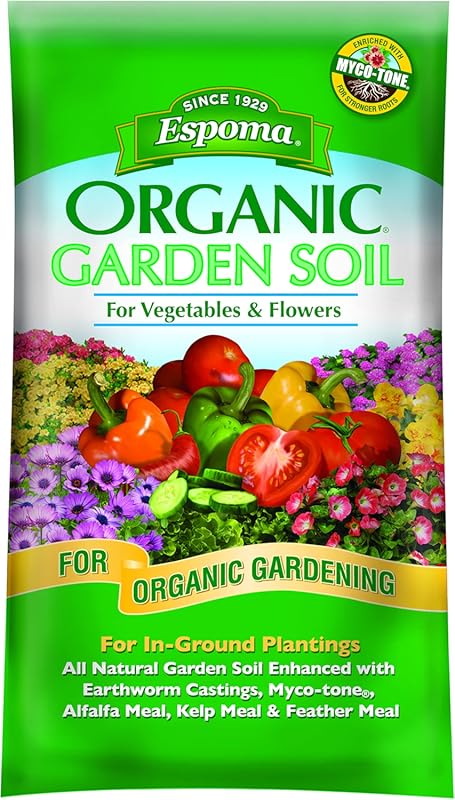
If you are looking to revitalize your existing ground soil, this is the perfect amendment. Much like how you might choose the best fertilizer for garden health, incorporating this soil into your native dirt improves structure and nutrient availability.
Key Features That Stand Out
- ✓ Specifically designed to amend native soil.
- ✓ Infused with Myco-Tone for deeper root penetration.
- ✓ Rich organic texture boosts microbial activity.
Why We Recommend It
Many gardeners have clay or sandy ground that isn’t ideal for vegetables. This mix acts as a bridge, adding the necessary organic matter to turn lackluster dirt into a thriving ecosystem for your plants.
Best For
In-ground gardening where you need to improve the quality of your native soil before planting.
Pros and Cons
Pros:
- Highly effective at breaking up clay soil.
- Excellent value for soil amendment.
- Trusted organic ingredients.
Cons:
- Can be slightly woody in texture.
- Requires thorough mixing with native dirt for best results.
Customer Reviews
Customer Review: “Transformed my hard-packed clay garden into a soft, fertile patch for my summer vegetables.”
Customer Review: “Great product for mixing into the ground during planting. My peppers and squash are growing like crazy.”
3. FoxFarm Ocean Forest Potting Soil
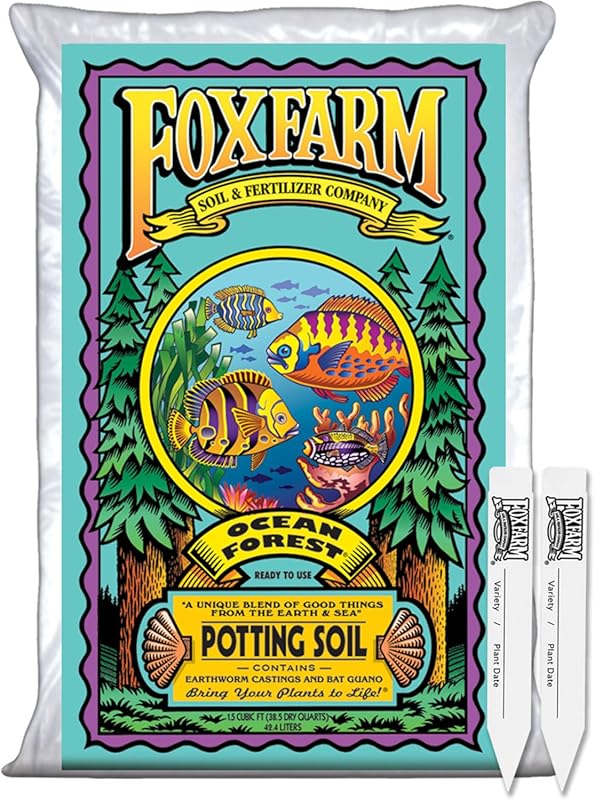
FoxFarm is a powerhouse in the gardening world, and this bag is an incredibly versatile choice. Like finding the best compost for vegetable garden applications, this mix provides a nutrient-dense base that helps plants get a head start.
Key Features That Stand Out
- ✓ Nutrient-rich blend of aged forest products and peat moss.
- ✓ Includes fish and crab meal for sustained growth.
- ✓ Excellent pH balance for a wide variety of vegetables.
Why We Recommend It
This soil is fantastic because it’s so “alive” with nutrients. It doesn’t just hold the plant; it actively feeds it, which helps you save on extra fertilizers early in the season.
Best For
Gardening enthusiasts who want a potent mix for both seedlings and established container plants.
Pros and Cons
Pros:
- Extremely fertile with high-quality additives.
- Great water-holding capacity.
- Very consistent texture across batches.
Cons:
- Can be quite strong for sensitive seedlings; dilute if necessary.
- Some bags may contain natural wood pieces.
Customer Reviews
Customer Review: “My go-to soil for every container garden. The nutrients are top-tier and my harvest has doubled.”
Customer Review: “The quality of this mix is unmatched. It’s dense and full of life—my plants love it.”
4. FoxFarm Happy Frog Potting Soil
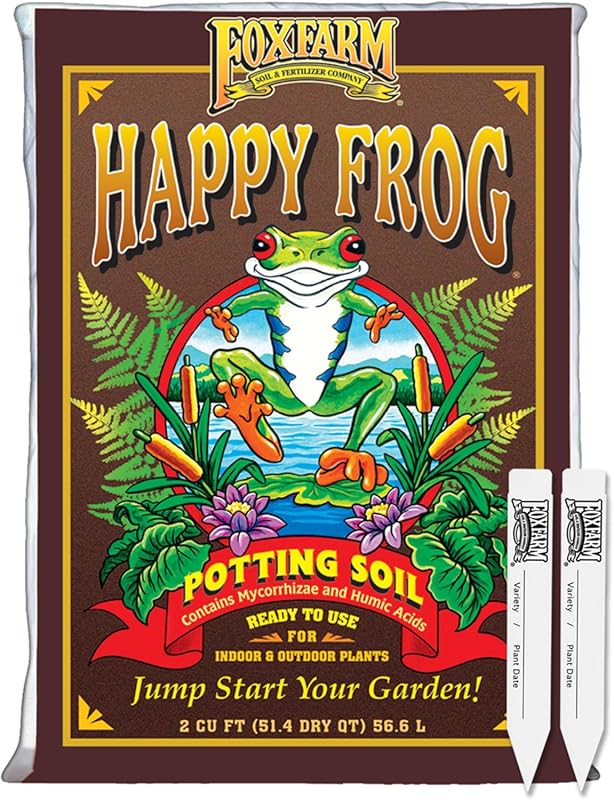
Happy Frog is specifically designed with a heavy emphasis on microbial health. It’s perfect for those who want to create a sustainable environment where beneficial bacteria help break down nutrients for the plants.
Key Features That Stand Out
- ✓ Fortified with humic acid and beneficial soil microbes.
- ✓ Exceptional for both indoor and outdoor containers.
- ✓ Promotes vigorous root growth and plant efficiency.
Why We Recommend It
The microbial additions are what set this apart. It creates a self-sustaining cycle where plants grow larger and stronger because they are able to access nutrients more easily in the soil.
Best For
Container gardeners who want professional-grade growth results for their vegetables and flowers.
Pros and Cons
Pros:
- Promotes incredible root development.
- Environmentally friendly ingredients.
- Great performance in small spaces.
Cons:
- Can be slightly more expensive per cubic foot.
- Requires consistent watering as it dries out faster than clay-heavy soils.
Customer Reviews
Customer Review: “Happy Frog really makes a difference. My container tomatoes grew much bigger than when I used standard potting soil.”
Customer Review: “The soil texture is perfect. It doesn’t compact down, keeping the roots happy all summer long.”
5. FoxFarm Ocean Forest Potting Mix
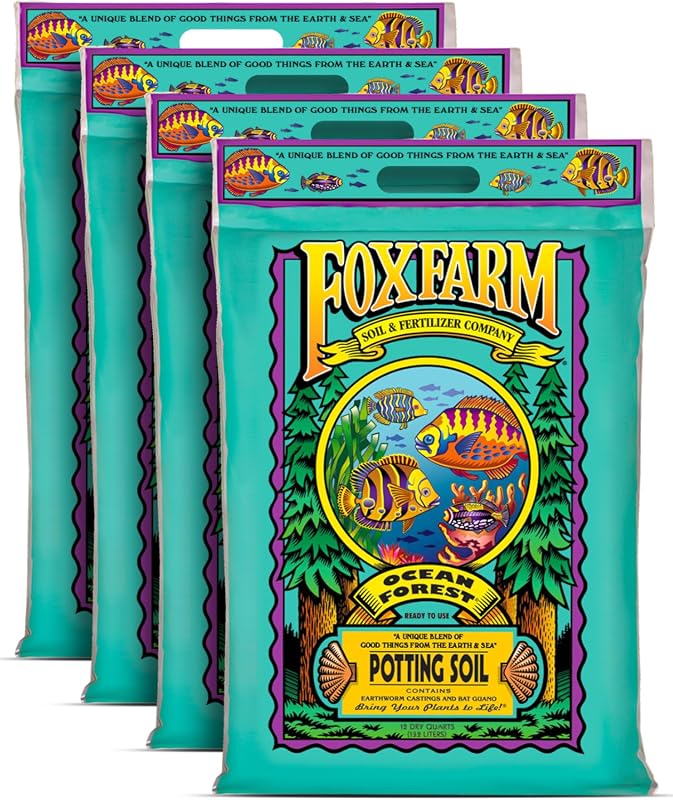
This is a bulk-friendly version of the classic Ocean Forest mix. It provides the same nutrient-dense, high-performance medium that gardeners rely on for heavy-feeding vegetable varieties.
Key Features That Stand Out
- ✓ Nutrient-dense blend containing fish and crab meal.
- ✓ Optimized aeration for healthy root respiration.
- ✓ Excellent moisture drainage prevents root rot.
Why We Recommend It
If you have a large container garden, this 48-quart size is ideal. It packs the same punch as the smaller bags but is much more economical for larger setups, ensuring all your plants get the same high-quality nutrition.
Best For
Large-scale container gardeners and those managing multiple vegetable beds.
Pros and Cons
Pros:
- Excellent value for larger quantities.
- High-quality, nutrient-dense ingredients.
- Supports sustained growth throughout the season.
Cons:
- The bag can be heavy and difficult to handle alone.
- Requires monitoring for pests if used improperly in moist areas.
Customer Reviews
Customer Review: “Buying the larger size was smart. The plants are lush, healthy, and really thriving in this mix.”
Customer Review: “This is hands-down the best soil I’ve found for my deck vegetable garden. Consistent results every year.”
Complete Buying Guide for Garden Soil For Vegetables
Essential Factors We Consider
When selecting your garden soil, look for a balance of organic matter, aeration, and moisture retention. A good mix should be dark, crumbly, and free of large debris. We prioritize mixes that include beneficial microbes and natural nutrients like earthworm castings to ensure long-term soil health.
Budget Planning
High-quality soil is an investment in your harvest. While cheaper “fill” soils exist, they often lack the nutrition your vegetables need to succeed. Buying in bulk or selecting versatile, nutrient-rich potting mixes can actually save you money on additional fertilizers throughout the growing season.
Final Thoughts
Choosing the right soil is the most important decision you can make for your vegetable garden. Whether you pick the nutrient-packed FoxFarm series or the easy-to-use Espoma mixes, you are giving your plants the best possible start. Happy gardening!
Frequently Asked Questions
Q: Can I use regular potting soil for a vegetable garden?
A: While you can, it’s not ideal for in-ground beds. Standard potting soil is designed for containers and drains very quickly, meaning it may dry out too fast in the ground. Choose a garden-specific soil for better results.
Q: How often should I replace my garden soil?
A: You don’t usually need to replace the entire bed, but it is wise to “top off” or refresh the soil with fresh organic compost or a new bag of garden soil every spring to replenish lost nutrients.
Q: Is “all-natural” soil better for vegetables?
A: Yes, especially if you are growing edible crops. All-natural mixes avoid synthetic chemicals, ensuring your vegetables are grown in the cleanest environment possible.
Investing in high-quality garden soil for vegetables is the best way to ensure a bumper crop of fresh produce. By choosing the right mix today, you are setting yourself up for a season of success. Take a look at our top picks above and start your gardening journey on the right foot!